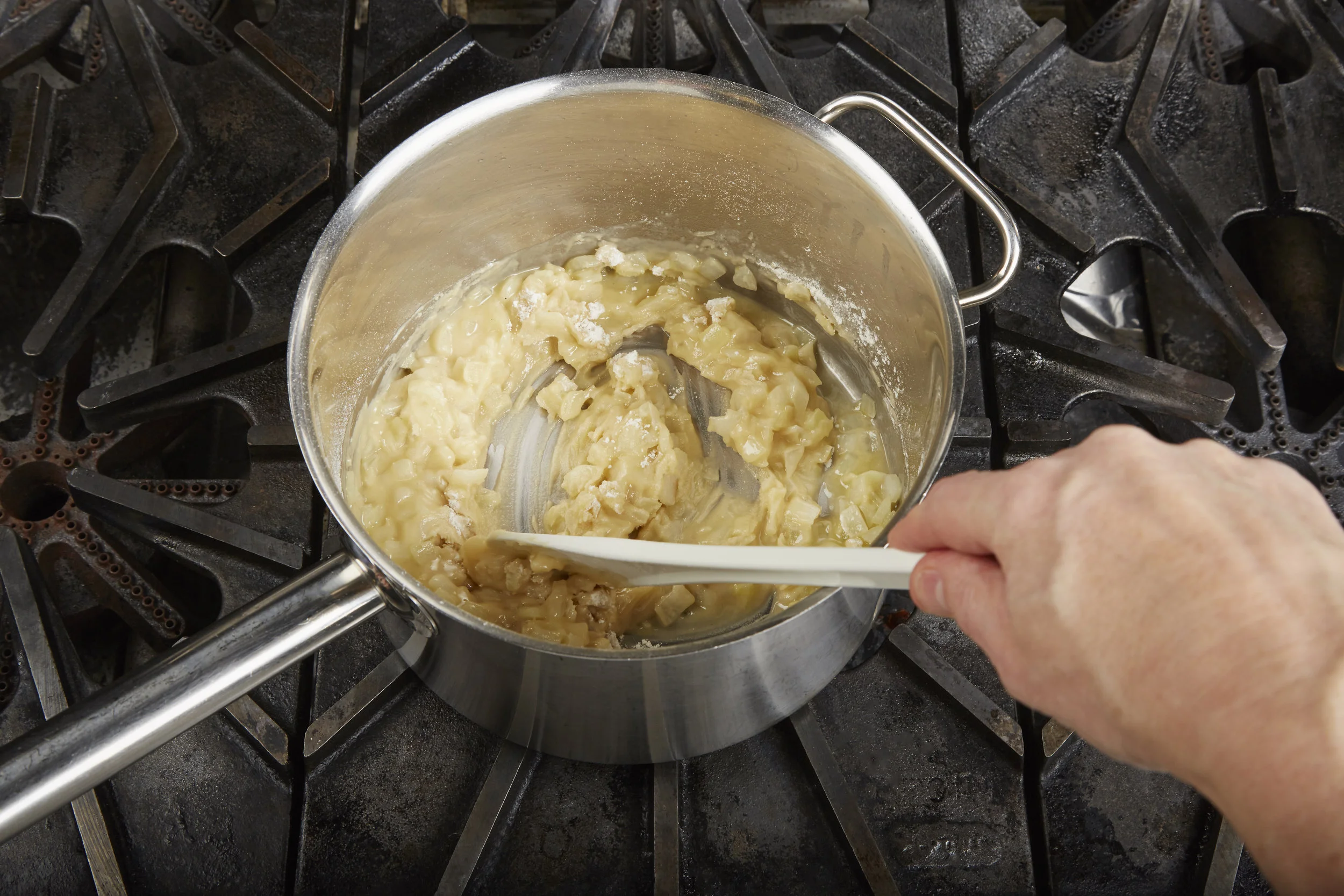




Sauces are the unsung heroes of the culinary world. They can elevate a simple dish to something extraordinary, adding layers of flavor, texture, and richness. A perfectly balanced sauce is like the perfect harmony in music: every note, every ingredient, is in the right proportion, contributing to a cohesive whole. But what exactly goes into creating that perfect sauce? What are the essential components, the techniques, and the secrets that make a sauce truly stand out?
In this article, we’ll explore the science and art behind balancing flavors in sauces, the different types of sauces, and the best techniques for making sauces that can transform your cooking. Whether you’re an amateur cook or a seasoned chef, understanding the key principles behind sauce-making will open up a world of culinary possibilities.
The Fundamental Components of Sauce Balance
To achieve a perfectly balanced sauce, you must first understand the essential components that contribute to its flavor. A balanced sauce typically incorporates the following elements:
- Acidity
- Sweetness
- Saltiness
- Bitterness
- Umami
Each of these elements has a distinct role to play in balancing and enhancing the overall flavor profile of the sauce. The key is knowing how to combine them in the right proportions to create depth, complexity, and harmony.
1. Acidity
Acidity provides a sharp, refreshing contrast to rich and fatty elements. It helps cut through the heaviness of a dish, providing brightness and balancing out other flavors. Common acidic ingredients used in sauces include vinegar, citrus juice (like lemon or lime), and tomatoes.
- How it works: Acidity can also enhance sweetness by highlighting the natural sugars in certain ingredients, such as roasted vegetables or caramelized onions.
- Balancing tip: Too much acidity can make the sauce overly tart and sour. To balance it out, a small amount of sweetness or fat can smooth out the sharpness.
2. Sweetness
Sweetness is often the counterpoint to acidity and bitterness, rounding out the sharp edges of a sauce. It adds complexity and smoothness to a dish. Ingredients like sugar, honey, maple syrup, or sweet vegetables like carrots and onions are often used to add sweetness to sauces.
- How it works: Sweetness can soften the overall flavor and enhance the other elements in the sauce, such as acidity or umami.
- Balancing tip: If a sauce is too sweet, a touch of acidity (like lemon juice or vinegar) can balance it out.
3. Saltiness
Salt is the flavor enhancer. It draws out the natural flavors of the ingredients in the sauce and helps to accentuate the other components. Salt also plays a role in reducing bitterness and enhancing sweetness. Various salts (kosher salt, sea salt, or even soy sauce) can be used to add different layers of saltiness.
- How it works: Salt is the backbone of flavor. It helps bring all the other elements into focus and ties the sauce together.
- Balancing tip: Too much salt can make the sauce overly savory, so always taste as you go and adjust slowly.
4. Bitterness
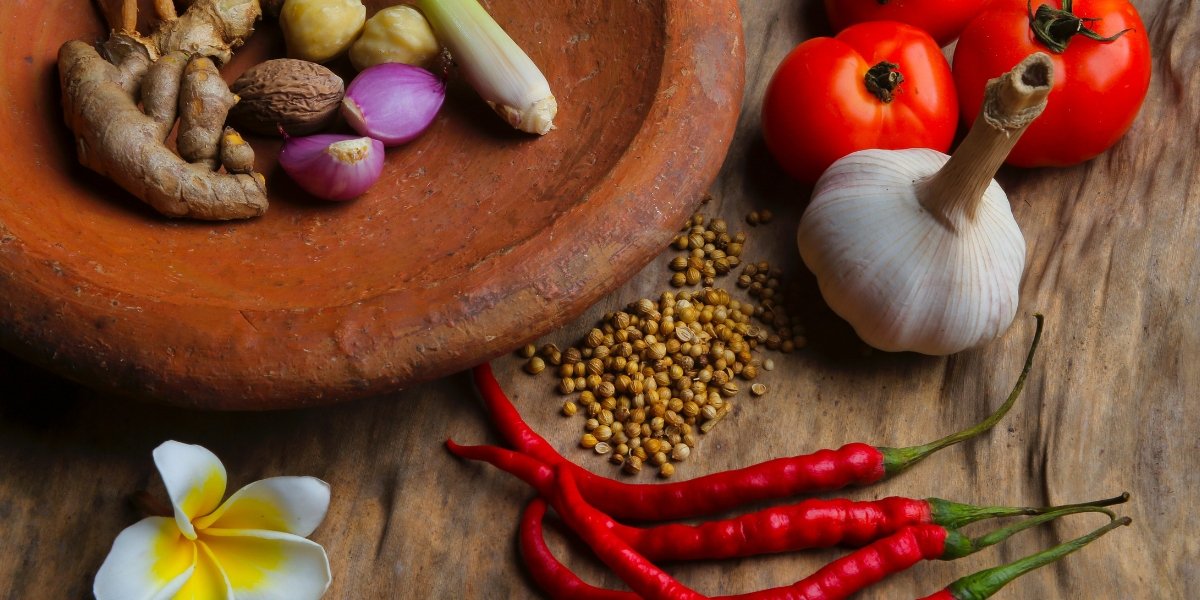
Bitterness is a less commonly discussed element in sauces, but it can play a vital role in creating a well-rounded sauce. Certain bitter ingredients, like dark chocolate, coffee, or bitter greens, can add depth and complexity to a sauce. When used correctly, bitterness can act as a counterbalance to the richness of fatty elements.
- How it works: A touch of bitterness can prevent a sauce from becoming overly rich or cloying. It adds dimension to the sauce, making it more interesting.
- Balancing tip: If a sauce becomes too bitter, a bit of sweetness or acidity can help tone it down.
5. Umami
Umami is often considered the “fifth taste” after sweet, salty, sour, and bitter. It is the savory, meaty flavor that adds depth and fullness to a sauce. Umami is naturally present in ingredients like tomatoes, mushrooms, aged cheeses, soy sauce, and meats.
- How it works: Umami adds a rich, savory base that enhances the other flavors in the sauce, making it taste more rounded and satisfying.
- Balancing tip: Since umami is often salty as well, be cautious when adding extra salt to a sauce that already contains umami-rich ingredients.
The Art of Balancing Flavors in a Sauce
Creating a perfectly balanced sauce is more than just adding ingredients in the right proportions. It’s about understanding how different flavors interact with each other and using techniques to enhance those interactions. The following tips will help you master the art of sauce-making:
Start With the Base
Every great sauce begins with a solid foundation. For many sauces, this base will be a mixture of fat (butter, oil) and a liquid (stock, wine, cream). This base serves as the canvas on which you’ll build your flavors.
- Fat: Fat acts as a carrier for flavor and provides a silky texture to the sauce. It also helps in dissolving fat-soluble flavors, like those found in herbs and spices. Use unsalted butter for richness or olive oil for a more subtle flavor.
- Liquid: The liquid in the sauce helps to dissolve flavors and provide the right consistency. Stock or broth gives a meaty depth, while wine adds acidity and complexity.
Layer Your Flavors
One key to balancing a sauce is layering flavors. Instead of dumping all the ingredients into the pot at once, consider adding them in stages. Start with your aromatics (onions, garlic, shallots, etc.), then build from there.
- Aromatics: Begin by sweating or sautéing your aromatics to bring out their natural sugars. The goal is to soften them and release their essential oils without browning them too much.
- Herbs and Spices: Add dried herbs early in the process, but fresh herbs should be added toward the end to preserve their bright flavor.
- Acid and Sweetness: Acidity should be introduced towards the end, while sweetness can be added at different stages to round out the sauce’s flavor.
Taste, Taste, Taste
The most important rule when balancing a sauce is to taste it constantly. As the sauce reduces and concentrates, the flavors will evolve. Adjusting the seasoning as you go will ensure that no one element overpowers the others. A pinch of salt, a splash of vinegar, or a dash of sugar can all change the course of the sauce, so don’t be afraid to experiment.
- Key Point: When tasting, try to balance acidity and sweetness first, then add salt, and lastly adjust any bitterness or umami.

Achieving the Right Consistency
The texture of your sauce is just as important as its flavor. A sauce that is too thick can feel heavy and overwhelming, while a sauce that is too thin may lack the necessary richness. The key to a perfectly balanced sauce is achieving the right viscosity.
- Reducing: Reducing a sauce is one of the best ways to concentrate its flavors. This method allows the water content to evaporate, thickening the sauce and intensifying the flavors.
- Thickening Agents: If a sauce needs a little more body, you can use thickening agents like cornstarch, arrowroot, or a roux (a mixture of flour and butter).
Types of Sauces and Their Balance
Understanding the different types of sauces will help you appreciate the complexity of balancing flavors in each one. Here are some classic sauce categories and tips for balancing them:
1. Gravy and Pan Sauces
Gravies and pan sauces are some of the simplest sauces to make but can be challenging to balance due to the strong flavor profiles of meats and their drippings.
- Key Tip: Start by deglazing the pan with a liquid like stock or wine. Add aromatics and herbs to complement the richness of the drippings, then balance with acid (vinegar, lemon) to cut through the fat.
2. Tomato-Based Sauces
Tomato-based sauces, such as marinara or Bolognese, rely heavily on the acidity of tomatoes to balance the richness of meat or cheese.
- Key Tip: Sweetness (a pinch of sugar or carrots) is often needed to balance the acidity of the tomatoes. A touch of umami (through anchovies or Parmesan) can round out the flavor.
3. Cream Sauces
Cream-based sauces, like Alfredo or béchamel, are rich and smooth. Balancing the richness with acidity is crucial to preventing the sauce from feeling too heavy.
- Key Tip: Use lemon juice, white wine, or even mustard to add a sharp contrast to the creamy texture. Fresh herbs can provide brightness and a bit of bitterness to balance the richness.
4. Vinaigrettes and Salad Dressings
Vinaigrettes are simple sauces but require precise balance between acidity (vinegar or lemon) and oil.
- Key Tip: The classic ratio for vinaigrette is 3 parts oil to 1 part acid, but feel free to adjust based on the dish. Adding a touch of sweetness (like honey) can soften the sharpness of the vinegar.
Common Mistakes to Avoid in Sauce Making
Even experienced chefs can make mistakes when making sauces. Here are a few common pitfalls to avoid:
- Over-reducing the sauce: While reducing intensifies flavors, reducing too much can cause the sauce to become overly salty or bitter.
- Skipping the tasting step: Never assume your sauce is perfect without tasting it. Small adjustments throughout the process are key.
- Over-adding fat: While fat is necessary for richness and mouthfeel, too much can make the sauce greasy. Always start with a small amount and adjust as needed.
- Adding all ingredients at once: Layering flavors is crucial. Avoid throwing everything into the pot at once. Build flavors gradually.
Conclusion
A perfectly balanced sauce is the result of careful consideration, technique, and practice. By understanding the key components of flavor—acidity, sweetness, saltiness, bitterness, and umami—you can craft sauces that enhance and elevate any dish. Remember that balance doesn’t mean equal parts of each flavor; it’s about harmony and contrast, where no one flavor overpowers the others. So, next time you’re cooking, take the time to understand your sauce’s flavor profile, adjust as you go, and trust your taste buds to lead you to perfection.