



In recent years, gluten-free diets have skyrocketed in popularity, with everything from food products to beauty treatments claiming to be “gluten-free.” But what does it really mean to consume gluten-free ingredients, and how does it affect our health? As demand for gluten-free products grows, it’s essential to peel back the layers of misinformation and discover the truth about gluten-free ingredients. This article will explore the concept of gluten-free ingredients, the science behind them, and their impact on health, offering clarity amid the noise surrounding gluten-free products.
What is Gluten?
Before delving into gluten-free ingredients, it’s crucial to understand what gluten actually is. Gluten is a protein found in wheat, barley, and rye. It’s responsible for giving dough its elasticity and helping it rise during baking. In a traditional diet, gluten provides structure and texture to many baked goods, pasta, and cereals.
For most people, gluten poses no issue. However, for some, consuming gluten can cause a range of symptoms, from mild discomfort to severe health reactions.
Gluten-Free Ingredients: What Are They?
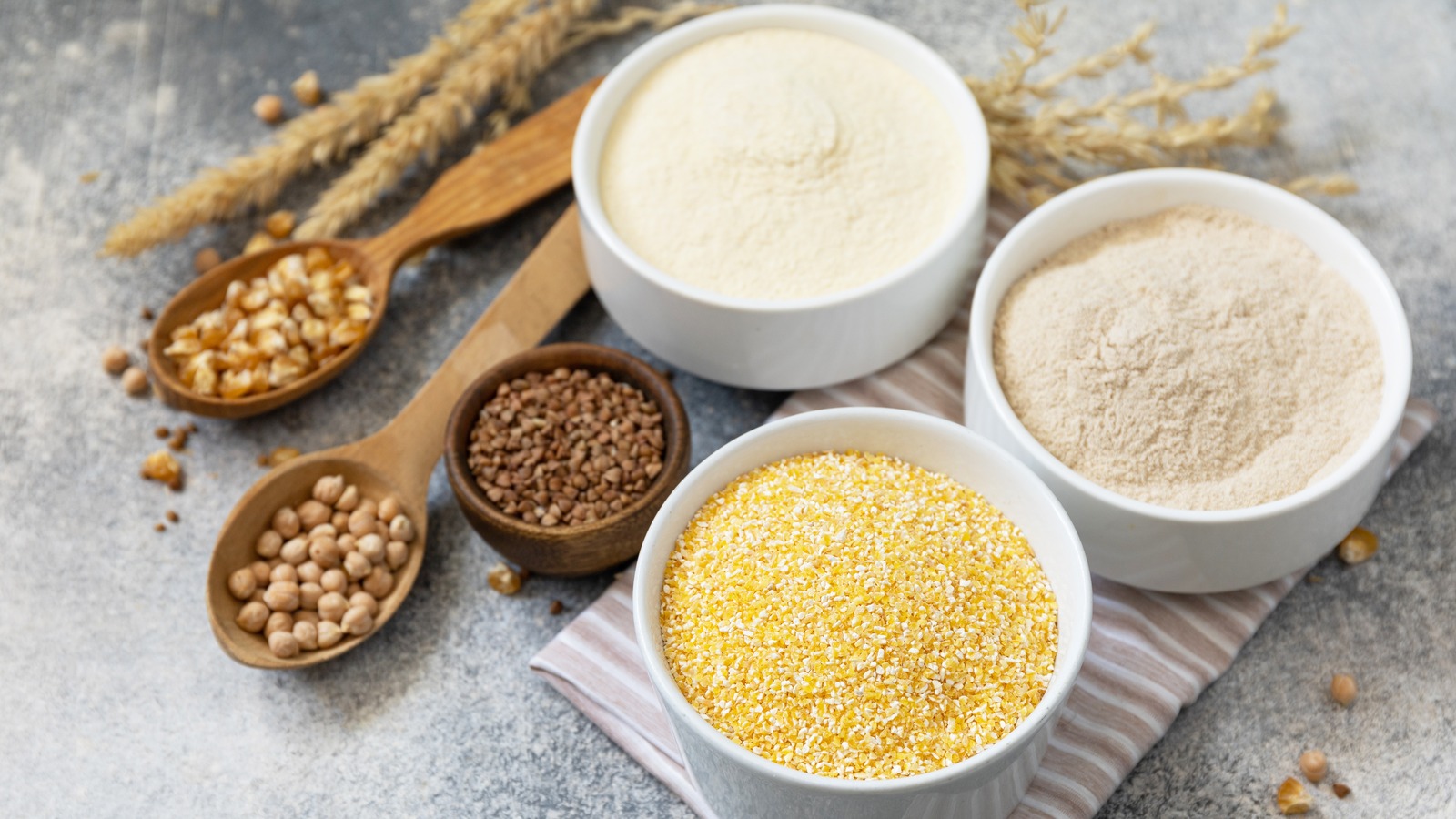
In a gluten-free diet, gluten-containing foods like wheat, barley, and rye are replaced with gluten-free ingredients. These include naturally gluten-free grains such as rice, quinoa, and corn, as well as flours derived from almonds, coconuts, and chickpeas. Gluten-free ingredients also include a variety of starches like potato starch, tapioca flour, and arrowroot.
It’s important to note that not all gluten-free ingredients are created equal. While some alternatives mimic the texture and taste of wheat flour closely, others can be dry, gritty, or lacking in flavor. This is why many gluten-free products use a combination of different gluten-free ingredients to recreate the taste and texture of traditional wheat-based products.
The Science Behind Gluten Sensitivity
For some individuals, gluten can cause an array of symptoms ranging from bloating and headaches to more severe conditions like celiac disease. The latter is an autoimmune disorder where the ingestion of gluten causes the immune system to attack the lining of the small intestine. This can lead to malabsorption of nutrients, inflammation, and long-term health complications.
Gluten sensitivity, on the other hand, refers to non-celiac gluten intolerance, where individuals experience symptoms similar to those of celiac disease but without the autoimmune response. This condition is less understood but may affect a significant number of people who don’t have celiac disease but still experience discomfort after eating gluten.
The exact mechanisms behind gluten sensitivity are still being researched, but it’s believed that certain proteins in gluten may irritate the digestive system in susceptible individuals. This is why some people find relief when they switch to a gluten-free diet, even if they don’t have celiac disease.

Gluten-Free Diet: Health Benefits or Hype?
For individuals with celiac disease or gluten sensitivity, a gluten-free diet is not just a trend—it’s a medical necessity. But for the average person without any diagnosed sensitivity, is cutting out gluten beneficial?
The science is somewhat mixed. Many people report feeling better after going gluten-free, citing improvements in digestion, energy levels, and skin health. However, research has not consistently shown significant health benefits for the general population who don’t have gluten sensitivity or celiac disease.
Some studies suggest that gluten-free diets may lead to nutrient deficiencies if they’re not properly planned. Gluten-free products often lack essential nutrients like fiber, iron, and B vitamins, which are abundant in whole grains. As a result, some people on gluten-free diets may need to take supplements to make up for these deficiencies.
Gluten-Free Ingredients vs. Gluten-Free Products: What’s the Difference?
While gluten-free ingredients form the foundation of a gluten-free diet, gluten-free products are a different beast altogether. These products often contain a combination of gluten-free ingredients that mimic the texture and taste of traditional wheat-based foods.
However, just because a product is labeled as “gluten-free” doesn’t mean it’s healthy. Many processed gluten-free products are packed with refined sugars, unhealthy fats, and additives to compensate for the lack of gluten. These ingredients can make gluten-free snacks and baked goods just as unhealthy (or even more so) than their gluten-filled counterparts.
When choosing gluten-free products, it’s important to read the labels and look for options that are made with whole, natural ingredients. Ideally, a gluten-free product should provide a good balance of nutrients, including fiber, protein, and healthy fats, rather than relying on artificial flavors or sweeteners.
The Impact of Gluten-Free Diets on Gut Health
An often-overlooked aspect of gluten-free diets is their potential impact on gut health. For those with celiac disease or gluten sensitivity, cutting out gluten can significantly improve gut health by reducing inflammation and allowing the intestines to heal. But for those without these conditions, a gluten-free diet could lead to an imbalance in gut bacteria.
Studies have shown that a gluten-free diet can alter the composition of gut microbiota, leading to a reduction in beneficial bacteria. This imbalance can potentially result in digestive issues, poor absorption of nutrients, and even an increased risk of other chronic diseases. It’s important for individuals on a gluten-free diet to focus on maintaining a healthy gut microbiome by consuming fiber-rich foods, probiotics, and prebiotics to support gut health.
Gluten-Free Baking: A Creative Challenge
One of the most significant challenges of a gluten-free diet is gluten-free baking. Gluten provides structure and elasticity, so when it’s absent, achieving the right texture can be tricky. For example, gluten-free cakes often turn out dense, and gluten-free bread can be dry and crumbly.

To address these challenges, bakers use a variety of gluten-free flours and binders. Common gluten-free flours include:
- Rice Flour: A staple in gluten-free baking, rice flour has a neutral flavor and is often used as a base for gluten-free blends.
- Almond Flour: Made from finely ground almonds, this flour adds moisture and a rich flavor, making it a popular choice for gluten-free desserts.
- Tapioca Flour: Derived from cassava root, tapioca flour is used to improve the texture of gluten-free doughs and batters.
- Chickpea Flour: A high-protein, fiber-rich flour that adds a slightly nutty flavor to baked goods.
Bakers often combine these gluten-free flours with starches like potato starch or cornstarch to mimic the texture of wheat flour. Xanthan gum or guar gum may also be used as binders to help hold the dough together.
While gluten-free baking can be a challenge, it also opens up opportunities for creativity and innovation. For those who are willing to experiment, the possibilities for delicious gluten-free treats are endless.
Navigating a Gluten-Free Lifestyle
Adopting a gluten-free lifestyle requires more than just swapping out a few ingredients in your diet. It involves a comprehensive understanding of what gluten is, how it affects your body, and how to find alternatives that meet your nutritional needs.
For those with celiac disease or gluten sensitivity, the transition to a gluten-free diet may be overwhelming at first. However, with careful planning and education, it’s possible to thrive on a gluten-free diet. Many gluten-free cookbooks, blogs, and resources are available to help individuals navigate the challenges of gluten-free living.
It’s also essential to be mindful when dining out. Cross-contamination is a common concern for those with severe gluten intolerance. Many restaurants offer gluten-free options, but it’s important to confirm that the kitchen takes proper precautions to avoid cross-contact with gluten-containing ingredients.
The Future of Gluten-Free Ingredients
As the gluten-free trend continues to evolve, we can expect to see more innovations in gluten-free ingredients. Advances in food science are making it easier to create gluten-free products that taste and feel like their gluten-filled counterparts. Additionally, as demand for gluten-free options grows, more companies are investing in gluten-free ingredients that are both healthy and sustainable.
In the future, gluten-free ingredients may not just be for those with gluten sensitivities but may become a staple of a broader, more inclusive approach to nutrition. The key is to focus on whole, nutrient-dense ingredients, whether they contain gluten or not, and to prioritize the overall health benefits of a well-balanced diet.
Conclusion: The Truth About Gluten-Free Ingredients
The truth about gluten-free ingredients is not a simple black-and-white issue. While gluten-free products are essential for those with gluten sensitivities or celiac disease, for the average person, eliminating gluten may not offer significant health benefits. It’s crucial to focus on whole, natural ingredients, whether they contain gluten or not, and to adopt a balanced approach to nutrition. As the gluten-free movement continues to grow, it’s important to stay informed and make decisions based on individual health needs rather than trends.
By understanding the science behind gluten-free ingredients and the implications of a gluten-free lifestyle, individuals can make better choices that promote long-term health and well-being. So, the next time you encounter a gluten-free product or ingredient, remember that it’s not just about avoiding gluten—it’s about making informed choices for your health and enjoying a diverse range of delicious foods.