



Cooking rice is an essential skill in many kitchens worldwide, and it can also be a source of frustration. One of the most common problems people face when cooking rice is the grains sticking to the bottom of the pot. This issue can lead to scorched rice, unpleasant textures, and a mess that’s difficult to clean. But why does this happen, and more importantly, how can you prevent it? In this article, we’ll explore the reasons why rice sticks to the bottom of the pot and offer tips to avoid this problem. Let’s dive in!
The Basics of Rice Cooking
Before we get into the specifics of why rice sticks, let’s first talk about the basic steps of cooking rice. Rice is a versatile grain, and there are many different varieties, such as white rice, brown rice, jasmine, basmati, and more. While the method can vary slightly depending on the type, the fundamental process usually involves rinsing the rice, adding water, and simmering it until the grains are tender.
The key components to successful rice cooking are:
- Water-to-Rice Ratio: The correct amount of water is crucial for perfectly cooked rice. Too much water can result in mushy rice, while too little can leave the grains undercooked and dry.
- Heat Control: Cooking rice requires a controlled heat level. Too high a heat can cause the water to evaporate too quickly, leading to uneven cooking.
- Cooking Time: The right amount of cooking time ensures that the rice absorbs the water completely, softens, and becomes tender without turning into a sticky, clumpy mess.
- Resting Time: After cooking, rice should be allowed to rest. This allows the steam to finish cooking the rice and prevents it from becoming overly sticky.
However, when any of these factors are off, rice can end up sticking to the bottom of the pot. Let’s examine the common causes of this problem.
1. Too Much Heat and Not Enough Water
One of the primary reasons rice sticks to the bottom of the pot is because the heat is too high during cooking. When cooking rice, the water in the pot should be kept at a gentle simmer, not a rolling boil. If the heat is too high, the water evaporates too quickly, leaving the rice exposed to direct heat. The rice at the bottom of the pot then begins to burn, resulting in the grains sticking to the surface.
Similarly, insufficient water can also cause rice to stick. Rice absorbs a significant amount of water during the cooking process, and without enough liquid, the rice can burn and adhere to the bottom of the pot. It’s important to use the right water-to-rice ratio and maintain an adequate amount of water throughout the cooking process.
2. The Type of Rice You’re Using
Not all rice is created equal. Different types of rice require different amounts of water and cooking times, and some are more prone to sticking than others. For example:

- White Rice: Generally, white rice requires a 1:2 water-to-rice ratio. If cooked with too little water, it can easily stick to the pot.
- Brown Rice: Brown rice has a tougher outer layer, meaning it takes longer to cook and absorbs more water. If you use the same water ratio as for white rice, brown rice is more likely to stick and burn.
- Sticky Rice (Glutinous Rice): As the name suggests, sticky rice tends to be more sticky, so it requires a different cooking method. It should be soaked before cooking to prevent sticking.
- Basmati or Jasmine Rice: These fragrant rice varieties require a different water-to-rice ratio and shorter cooking times compared to regular white rice. If they are overcooked or cooked on high heat, they can stick to the bottom of the pot.
Understanding the type of rice you’re cooking and adjusting the water and heat accordingly can go a long way in preventing rice from sticking.
3. Lack of Stirring or Rinsing the Rice
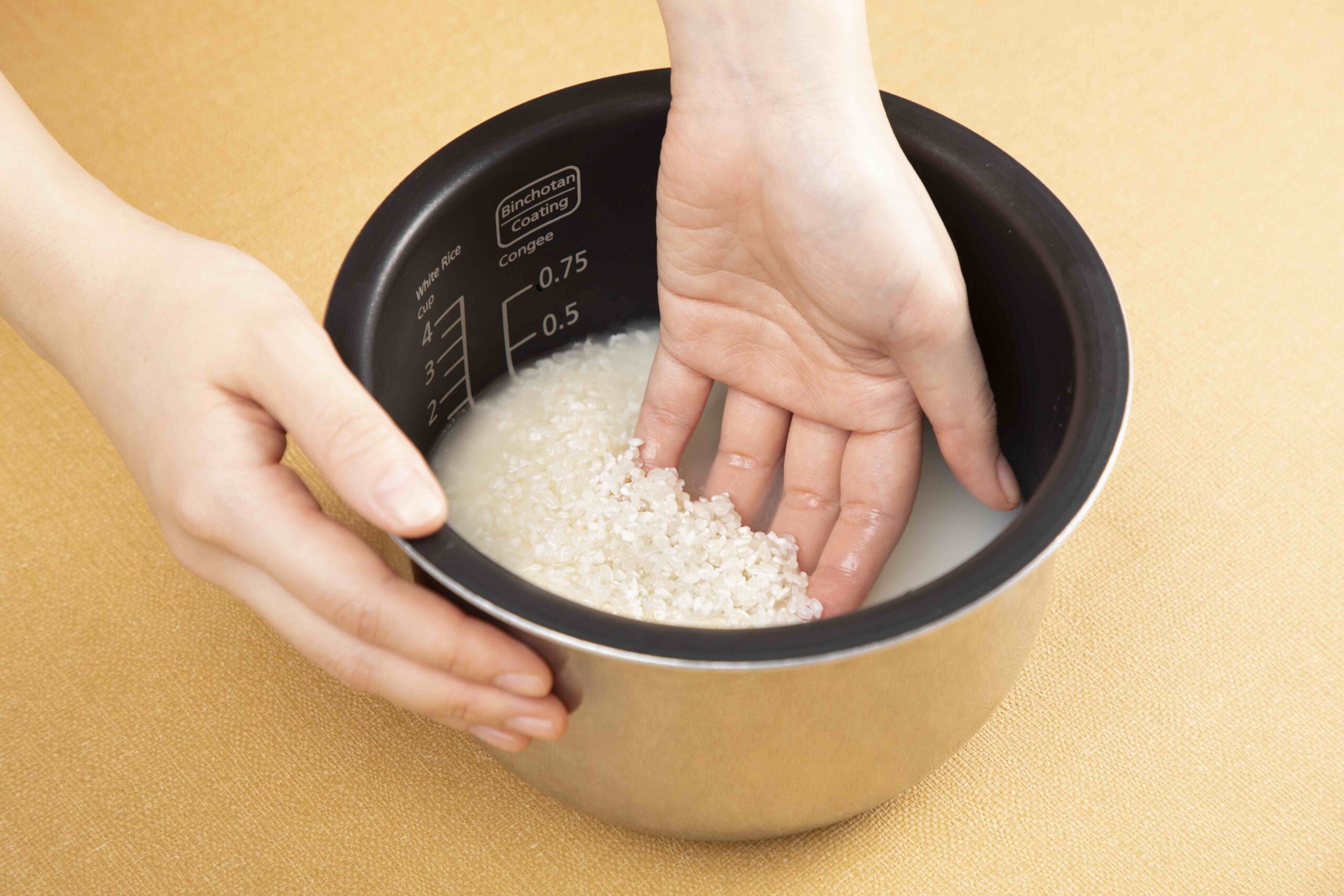
When rice is cooked without being rinsed, excess starch remains on the grains. This starch can create a gummy texture and cause the rice to clump together and stick to the pot. Rinsing rice before cooking removes some of this excess starch and helps prevent the grains from becoming sticky.
Another mistake many people make is stirring the rice too much during the cooking process. Stirring rice too frequently can cause the starch to release, leading to sticky rice. It’s best to stir the rice only once or twice at the beginning, and then let it cook undisturbed.
4. Using an Unseasoned or Nonstick Pot
The type of pot or pan you use can affect how the rice cooks. Nonstick pots are designed to prevent food from sticking, but many home cooks still use regular pots that may not be seasoned well. An unseasoned pot or one with imperfections can create hot spots that cause rice to stick to the bottom.
In some cases, older pots with scratches or damaged surfaces can make the problem worse. For a smoother cooking experience, consider using a heavy-bottomed pot, as this helps distribute heat evenly and reduces the chances of burning the rice. Alternatively, if you want to avoid the rice sticking problem altogether, a nonstick pot can be a great solution.
5. Not Using a Lid or Using the Wrong Kind of Lid

Rice needs to be cooked in a covered pot. If the pot is left uncovered, the water evaporates more quickly, leaving the rice exposed to the direct heat of the pot. As a result, the rice at the bottom burns and sticks. Always cover the pot with a tight-fitting lid to trap steam and moisture, ensuring the rice cooks evenly and doesn’t stick.
The material and fit of the lid matter too. A lid that doesn’t seal properly can allow steam to escape, causing the rice to dry out and burn. A well-fitting lid keeps the moisture locked in, allowing the rice to cook evenly.
6. Skipping the Resting Time
After your rice finishes cooking, it’s essential to let it sit for 5 to 10 minutes before serving. This resting time allows the remaining steam to finish cooking the rice, and it also helps the grains firm up a little. If you don’t let the rice rest, the moisture may be unevenly distributed, and the rice at the bottom can end up sticking to the pot.
7. Burnt Rice at the Bottom – Is It Always a Bad Thing?
While burnt rice isn’t ideal, some cultures embrace the crispy layer of rice that forms at the bottom of the pot. Known as tahdig in Persian cooking or socarrat in Spanish paella, the crispy, caramelized rice at the bottom can add flavor and texture to the dish. However, this is intentional and controlled, not a result of overcooking or improper heat levels.
If you’re aiming for crispy rice, this can be a great feature. But if you’re looking for soft, fluffy rice, burnt rice at the bottom of the pot is best avoided.
Tips for Preventing Rice from Sticking
Now that we’ve covered the common causes of rice sticking to the bottom of the pot, here are some practical tips to prevent it:
- Use the Correct Water-to-Rice Ratio: Follow the recommended ratio for the type of rice you’re cooking. For white rice, a 1:2 water-to-rice ratio usually works well.
- Control the Heat: Keep the heat on low to medium once the rice starts to simmer. Avoid high heat, which can cause the water to evaporate too quickly.
- Rinse Your Rice: Rinse rice before cooking to remove excess starch and reduce stickiness.
- Use a Heavy-Bottomed Pot: A heavy-bottomed pot distributes heat evenly, reducing the chances of burning rice.
- Let the Rice Rest: After cooking, let the rice rest for 5-10 minutes with the lid on to ensure the grains firm up and the moisture is evenly distributed.
- Choose the Right Pot: Use a well-seasoned pot or a nonstick pot if you’re prone to sticking issues.
- Avoid Stirring Too Much: Stirring rice too much can release excess starch, leading to clumping. Stir only when necessary.
By following these simple tips, you can ensure that your rice comes out fluffy and perfectly cooked without any unwanted sticking.
Conclusion
Rice is a staple in many kitchens, but cooking it perfectly can be tricky. When rice sticks to the bottom of the pot, it’s often due to high heat, insufficient water, the wrong pot, or not following the proper cooking steps. Understanding these causes and taking a few simple steps to adjust your cooking method can make a big difference.
So next time you cook rice, try adjusting the heat, water ratio, and pot you use. With a little practice, you’ll be able to cook rice like a pro—no sticking required!