



Food is not just sustenance; it is a reflection of a society’s history, values, and cultural evolution. The way we cook today, the flavors we cherish, and the dishes we serve on special occasions are deeply intertwined with the traditions passed down through generations. These cultural influences are especially apparent in modern local cooking, where centuries-old techniques and ingredients continue to shape contemporary food landscapes. But how exactly do cultural traditions influence the way we cook today? In this article, we will explore this fascinating topic, examining the fusion of old and new cooking practices, the impact of globalization, and how cultural heritage remains alive on modern plates.
The Role of History in Shaping Local Cuisines
At the heart of every local dish lies a story of migration, conquest, and trade. For example, the introduction of the chili pepper to Asia via the Columbian Exchange revolutionized local cuisines, influencing everything from Thai curries to Szechuan dishes. Similarly, spices from the Middle East, like saffron and cumin, found their way into European kitchens through historical trade routes, leaving an indelible mark on Mediterranean cuisine. These exchanges not only brought new ingredients but also reshaped cooking techniques and flavors, leading to the emergence of modern dishes that reflect centuries of cultural fusion.
Take Italian cuisine, for instance. Many of the most famous Italian dishes, such as pizza and pasta, originated in humble, traditional recipes passed down from generation to generation. Yet, they continue to evolve, influenced by the region’s diverse cultural influences. The Arabs brought the concept of using dough to make flatbreads, a precursor to what would later become pizza. Meanwhile, pasta was likely influenced by Arab culinary practices and trade routes connecting the East and West. Today, we see local Italian ingredients such as truffle, olive oil, and tomatoes, paired with techniques borrowed from outside cultures, contributing to the unique evolution of Italian food.
Fusion and the Modern Plate
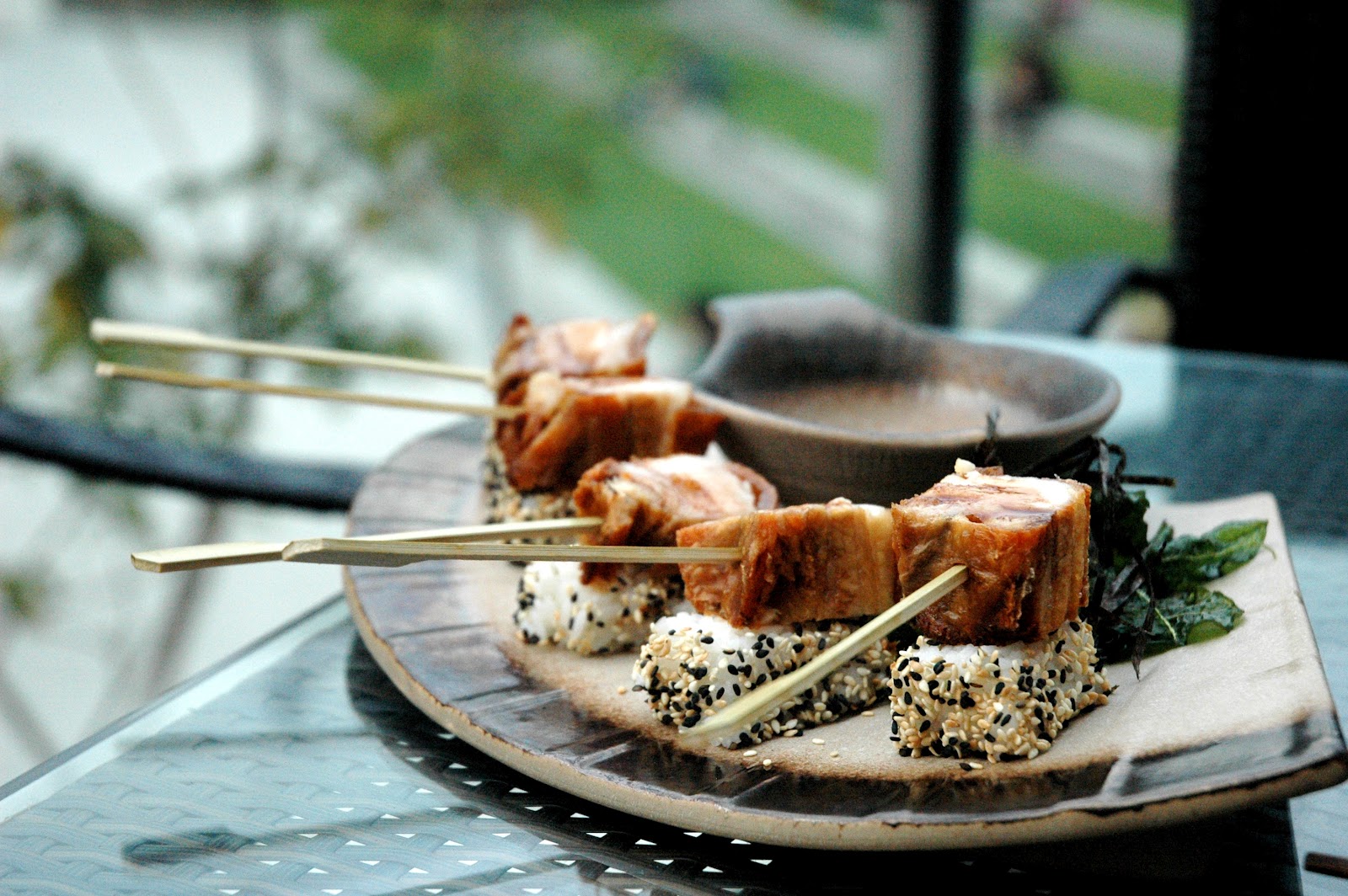
Cultural influences on local cooking do not always come in the form of long-standing traditions. Sometimes, they result in innovation and fusion. As globalization brings people together from diverse backgrounds, culinary fusion has emerged as a popular trend, with chefs blending ingredients and cooking methods from different cultures. A perfect example of this is the rise of “Asian fusion” cuisine in the West. Dishes like sushi burritos, Korean tacos, and pho-inspired ramen represent modern interpretations of local traditions, born out of cultural exchange.
In cities across the world, culinary creativity thrives in fusion kitchens, where chefs mix local produce and time-honored recipes with new techniques and flavors. For instance, Mexican street food like tacos is now served with global ingredients such as Korean kimchi, avocado, or even French foie gras. The beauty of such fusion lies in its ability to respect the original cultural essence of the dishes while adding something entirely new.
Fusion, however, is not limited to just the interaction of East and West. Within individual countries, there are regional differences that influence how food is prepared and consumed. Take the United States, for example: Southern cuisine, heavily influenced by African, European, and Native American traditions, combines flavors like smoky barbecue, sweet cornbread, and spicy jambalaya. In contrast, the food of the Pacific Northwest draws heavily from Indigenous practices and ingredients like salmon and wild berries, combined with French, Asian, and Scandinavian influences.

Technological Advancements and Their Impact on Cooking Traditions
Technological progress has also played a significant role in shaping modern local cooking. Cooking methods that were once exclusive to certain regions or cultures have become commonplace, transforming the way we prepare food today. The introduction of kitchen gadgets like food processors, blenders, and air fryers has made traditional cooking techniques more accessible, while advances in refrigeration and packaging have allowed ingredients from around the world to be enjoyed in every corner of the globe.
However, despite these advances, many cultures continue to honor their culinary heritage by retaining traditional cooking methods. Slow cooking techniques, such as braising meats or stewing vegetables, remain central to many local cuisines, especially in cultures that prioritize communal meals and cooking as an expression of family and social ties. Whether it’s the French technique of braising beef or the Japanese practice of simmering fish in dashi broth, these methods are a direct link to a culture’s past and continue to influence modern cooking styles.
The Influence of Cultural Identity on Food Choices
Food is often seen as a representation of identity. For many, the act of preparing and eating traditional food is a way to connect with one’s roots and express cultural pride. Local cooking practices can carry deep cultural significance, as food is often tied to religious practices, social rituals, and family traditions. For example, the preparation of a Thanksgiving turkey in the United States or the making of dumplings during Chinese New Year are rituals that reinforce the bond between food, culture, and community.
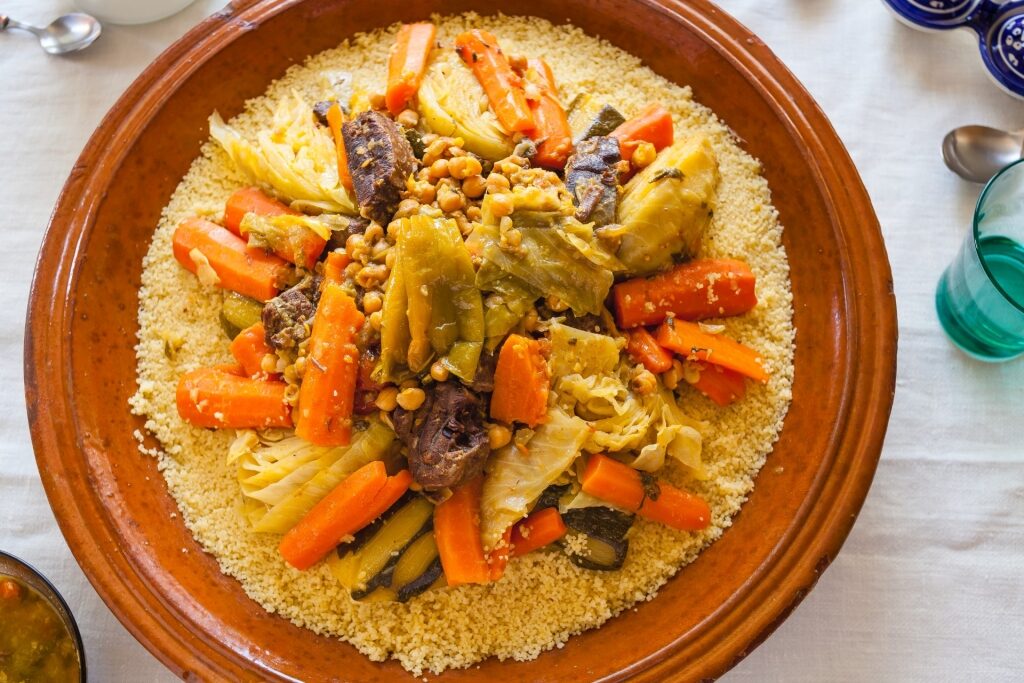
Even in the face of modernization, many local communities continue to uphold their traditional cooking methods and local dishes. For instance, in Morocco, the process of preparing a tagine, a slow-cooked stew, is a time-honored ritual that has remained unchanged for centuries. The same can be said of Indian cuisine, where dishes like biryani, curries, and tandoori have remained staples despite the rise of global fast food chains.
These traditions often serve as a symbol of resilience, preserving cultural identity through times of change. For immigrants, cooking traditional dishes can be a way to maintain a connection to their homeland while adapting to a new environment. As these culinary traditions are passed down through generations, they continue to evolve, blending new influences while holding onto the essence of their origins.
Sustainability and the Return to Traditional Local Ingredients
In recent years, there has been a growing movement towards sustainability in cooking, which has led many people to return to traditional local ingredients. The farm-to-table movement, for example, emphasizes the importance of using locally sourced, seasonal ingredients in cooking. This practice not only supports local farmers and businesses but also promotes environmental sustainability by reducing the carbon footprint associated with food production and transportation.
Traditional ingredients are often more sustainable than their modern counterparts because they are adapted to the local climate and ecosystem. In many cultures, cooking with seasonal ingredients was not just a matter of preference but necessity, as refrigeration and modern preservation methods were not available. Today, chefs are rediscovering the rich flavors of heirloom vegetables, wild herbs, and heritage meats, which were once staples of local diets before industrial farming took over.
In Italy, for example, local farmers are reviving ancient grains like farro and spelt, which were once essential to Italian diets. These grains, grown using sustainable farming methods, are now featured in modern Italian kitchens, allowing chefs to connect with their heritage while promoting sustainable agricultural practices. Similarly, in India, there has been a resurgence of traditional farming techniques and ingredients like millet, which have long been part of the regional diet but fell out of favor with the rise of modern agriculture.
Globalization and Its Impact on Local Cooking
The rapid pace of globalization has brought a variety of food cultures into contact with one another, leading to the spread of international cuisines and the fusion of diverse cooking traditions. In cities around the world, it is now common to find dishes like sushi burritos, Mediterranean falafel wraps, or Mexican sushi rolls. Globalization has allowed ingredients and cooking techniques from far-flung regions to influence local dishes in ways that were previously unimaginable.
While globalization has undoubtedly enriched local cooking, it has also raised concerns about the homogenization of culinary traditions. As global food chains expand, traditional dishes from local cultures are sometimes adapted or altered to meet international tastes, leading to a loss of authenticity. For example, in some Western countries, the once-unique Indian curry has been Americanized, losing much of its original complexity and spice. Similarly, pizza and pasta are often “Westernized” in ways that stray from their Italian origins.
Despite these challenges, many cultures continue to protect their culinary heritage by maintaining traditional cooking methods and recipes. Local chefs and home cooks alike are increasingly aware of the need to preserve the authenticity of their dishes, while also experimenting with global influences to create innovative and exciting food experiences.
Conclusion: A Culinary Tapestry of Tradition and Innovation
Cultural traditions have a profound influence on modern local cooking, shaping the way we prepare, eat, and experience food. Whether through the preservation of ancient cooking methods, the adoption of new global flavors, or the return to local ingredients, food continues to be a bridge between the past and present, honoring both heritage and innovation. As we navigate an increasingly interconnected world, food will remain a powerful way to celebrate diversity, build community, and preserve cultural identity.