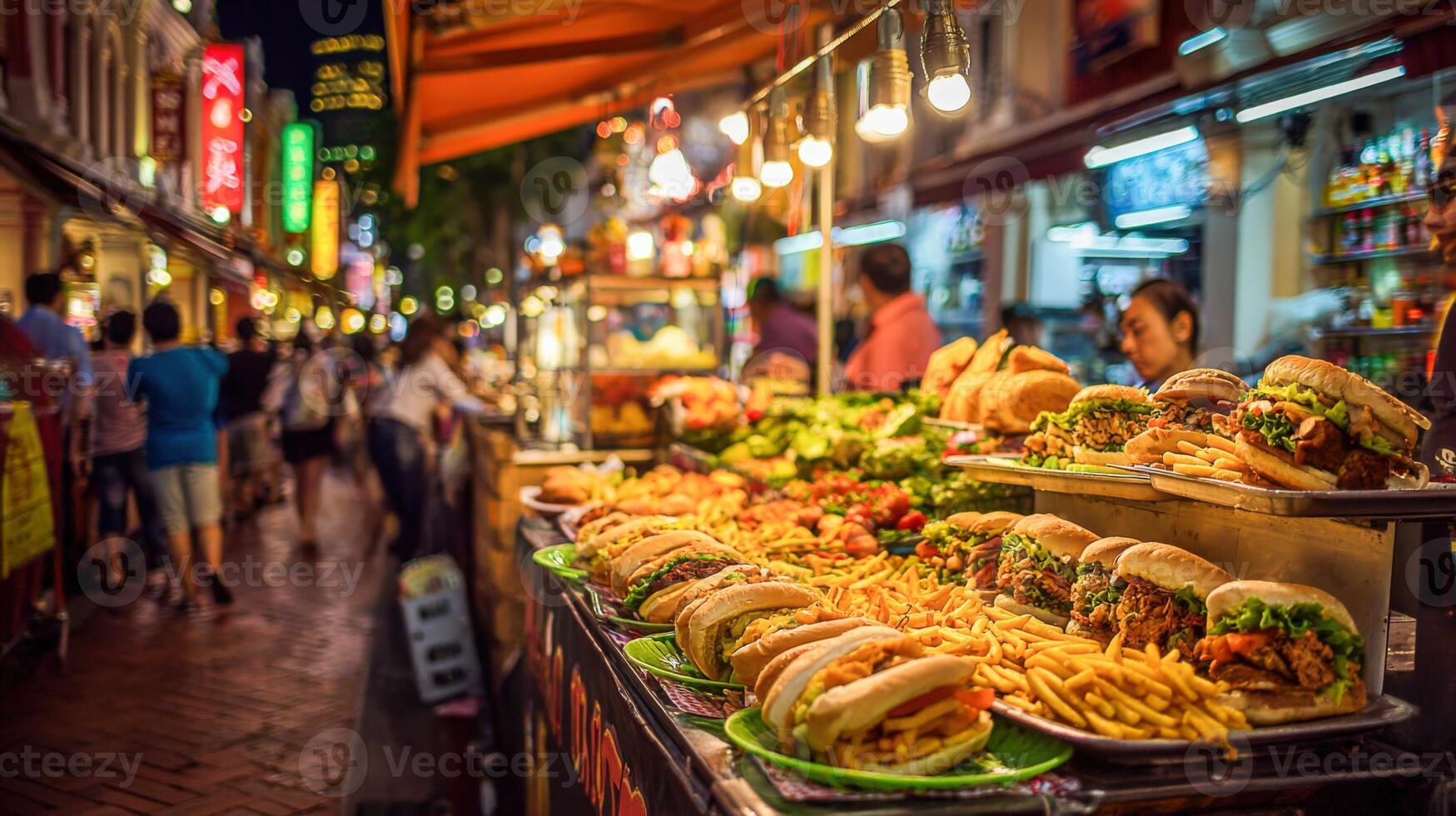




Traveling to a new country presents many exciting opportunities—new cultures, diverse landscapes, and, perhaps most appealing of all, local cuisine. For most travelers, food is not just a necessity, but an integral part of the adventure. However, when it comes to eating like a local, there are often unwritten rules that can make or break your experience. While some of these may seem like common sense, others are deeply rooted in cultural traditions and etiquette, making them important to understand in order to truly immerse yourself in the food culture.
In this guide, we will explore the unspoken rules of eating local in a foreign country. From how to approach the table, to understanding etiquette nuances, this article provides you with insights that will enhance your culinary journey abroad.
1. Respect the Local Mealtime Customs
Every culture has its own schedule when it comes to eating. In some countries, lunch might be the biggest meal of the day, while in others, dinner is the star. For example, in Spain, dinner might not start until after 9 PM, while in Japan, people typically have a lighter dinner early in the evening. If you show up to a restaurant too early or too late for a meal, you may be met with awkward stares—or worse, closed doors. Understanding the local mealtime customs is a subtle but crucial part of respecting a culture’s dining habits.
- Key Tip: Be mindful of the usual times people eat in the country you’re visiting. In some places, the kitchen may close for a break between lunch and dinner, so make sure to plan accordingly.
2. Don’t Just Stick to Tourist Spots
It’s tempting to eat at restaurants that cater to tourists, especially when you’re not sure where to go or what to order. But locals typically avoid these places, as they tend to offer standardized, less authentic food. The key to a real local dining experience is stepping out of your comfort zone and heading to smaller, locally-owned restaurants or food stalls.
- Key Tip: Ask locals for recommendations—whether it’s a family-owned cafe, a hidden street food stand, or a little-known hole-in-the-wall. Not only will you enjoy a more authentic meal, but you’ll also get a taste of local life that goes beyond what’s in guidebooks.
3. Learn the Language of Food (Even a Little)
While English is widely spoken in many parts of the world, learning a few basic phrases in the local language can go a long way—especially when it comes to food. Knowing how to order, say “please,” or express gratitude can be incredibly helpful. It also shows that you’re making an effort to respect the culture, which is often appreciated.
- Key Tip: Learn how to say “thank you,” “delicious,” and “I’ll have [name of dish],” as these will help you connect with locals and enhance your dining experience.
4. Embrace the Local Eating Habits and Etiquette
:max_bytes(150000):strip_icc()/guatemalan-tamales-622325202-58e8553e5f9b58ef7ec7b6de.jpg)
Each culture has its own customs regarding how food is eaten, from how you use utensils to the way food is served. In some places, communal dining is the norm, where everyone shares dishes from a central platter. In others, eating with your hands is the preferred method, and in some countries, it’s important to eat only with the right hand.
- Key Tip: Observe how the locals eat. If they’re using their hands, try it out. If they’re eating in silence, follow suit. In many cultures, it’s considered impolite to rush through your meal, so take your time and enjoy the food at a leisurely pace.
5. Respect Local Dining Rituals
In some cultures, meals are more than just an opportunity to eat—they are social rituals. For instance, in Italy, it’s not just about the food, but the experience of savoring it in good company. Similarly, in parts of the Middle East and South Asia, meals are often communal and shared, where the act of breaking bread together is a bonding experience.
- Key Tip: If invited to a meal, don’t rush through it. Pay attention to the pacing of the meal. Wait for others to finish before getting up from the table, and never start eating before the host. If you’re unsure, ask how the meal typically unfolds.
6. Understand the Importance of Complimenting the Meal
In some cultures, complimenting the food is essential, as it’s a sign of respect and appreciation. Saying “thank you” after a meal is expected, but some cultures may also expect more specific compliments about the preparation or the ingredients. In countries like Japan or Korea, it’s common to express gratitude for the thoughtfulness behind the meal, not just the taste.
- Key Tip: If you genuinely enjoy the food, give a sincere compliment, such as “This is the best curry I’ve ever had” or “The flavors in this dish are incredible.” Your host will appreciate the thoughtfulness.
7. Pay Attention to the Pace of the Meal
Dining etiquette varies greatly across cultures, and while some countries like the U.S. prioritize fast service, others, like France or Spain, view meals as a slow, leisurely activity. In such places, don’t be surprised if you’re left to enjoy your food without constant check-ins from the waiter. This is not a sign of poor service; rather, it’s part of the local dining experience.
- Key Tip: Don’t rush through your meal. Let yourself enjoy the pacing of the meal. If you’re in a culture where meals take several hours, embrace the experience and savor the food. It’s about the quality of time spent, not the speed.
8. Tipping Etiquette Varies

Tipping can be a confusing subject, and what’s expected can vary widely from country to country. In some countries, like the U.S., tipping is expected and can even account for a significant portion of a server’s wages. In other countries, tipping is not customary and may even be seen as offensive, as the tip may already be included in the bill.
- Key Tip: Always do a bit of research on the local tipping customs before you travel. If you’re in doubt, ask a local or check the restaurant’s menu to see if service charge is already included.
9. Food Safety and Hygiene
Eating local doesn’t just mean tasting the food; it also means being mindful of food safety and hygiene. While it’s tempting to try that street food stall or exotic dish, it’s important to be cautious, especially in countries where food standards may differ from what you’re used to. Avoiding tap water in some countries or ensuring that food is thoroughly cooked are simple steps you can take to protect your health.
- Key Tip: If you’re unsure about the hygiene of a food stall, look for crowds of locals. If they’re lining up to eat, it’s often a sign that the food is both delicious and safe. Be cautious with raw or undercooked foods, and stick to bottled water when in doubt.
10. Try Everything—Even the Weird Stuff
Eating local food can sometimes mean trying things that are outside your comfort zone. From fried insects in Thailand to fermented delicacies in Scandinavia, each country offers something unique to its food culture. While some dishes may seem strange or off-putting at first, they often have a deep cultural significance and may surprise you with their deliciousness.
- Key Tip: Don’t judge a dish by its appearance. Approach food with an open mind, and be adventurous. Even if you don’t love everything, you’ll have a story to tell, and you’ll gain an appreciation for the culture you’re visiting.
11. Avoid Wasting Food
In many cultures, wasting food is considered disrespectful. When you’re eating out, especially in countries where meals are prepared with great care, leaving food behind can be seen as a sign of disrespect. While it’s okay to leave some food if you’re full, always be mindful of how much you order and only take what you can reasonably eat.
- Key Tip: Order smaller portions if you’re unsure how much you can eat. If you’re dining with others, try to finish what you’ve taken to show appreciation for the effort that went into preparing it.
12. Don’t Be Afraid to Ask Questions
If you’re unfamiliar with a particular dish or don’t know how to eat it properly, don’t be afraid to ask. Locals will often appreciate your interest in their food culture, and they’ll likely be happy to explain how to eat or enjoy a dish properly. Whether it’s about eating with your hands, using special sauces, or pairing drinks with food, asking for guidance can enhance your experience.
- Key Tip: Approach food with curiosity. Asking questions shows respect for local traditions and helps you understand the deeper cultural meanings behind the dishes you’re eating.
Final Thoughts
The unspoken rules of eating local in a foreign country can seem like a lot to take in, but they ultimately enhance your travel experience. By embracing local mealtimes, respecting food customs, and being adventurous with new flavors, you can not only enjoy delicious meals but also gain a deeper understanding of the culture you’re visiting.
Whether you’re sitting down to a simple meal in a local restaurant or sampling street food on the go, following these unspoken rules will help you connect with locals and elevate your culinary adventure. So next time you travel abroad, take the time to eat like a local—your taste buds and your travel memories will thank you.