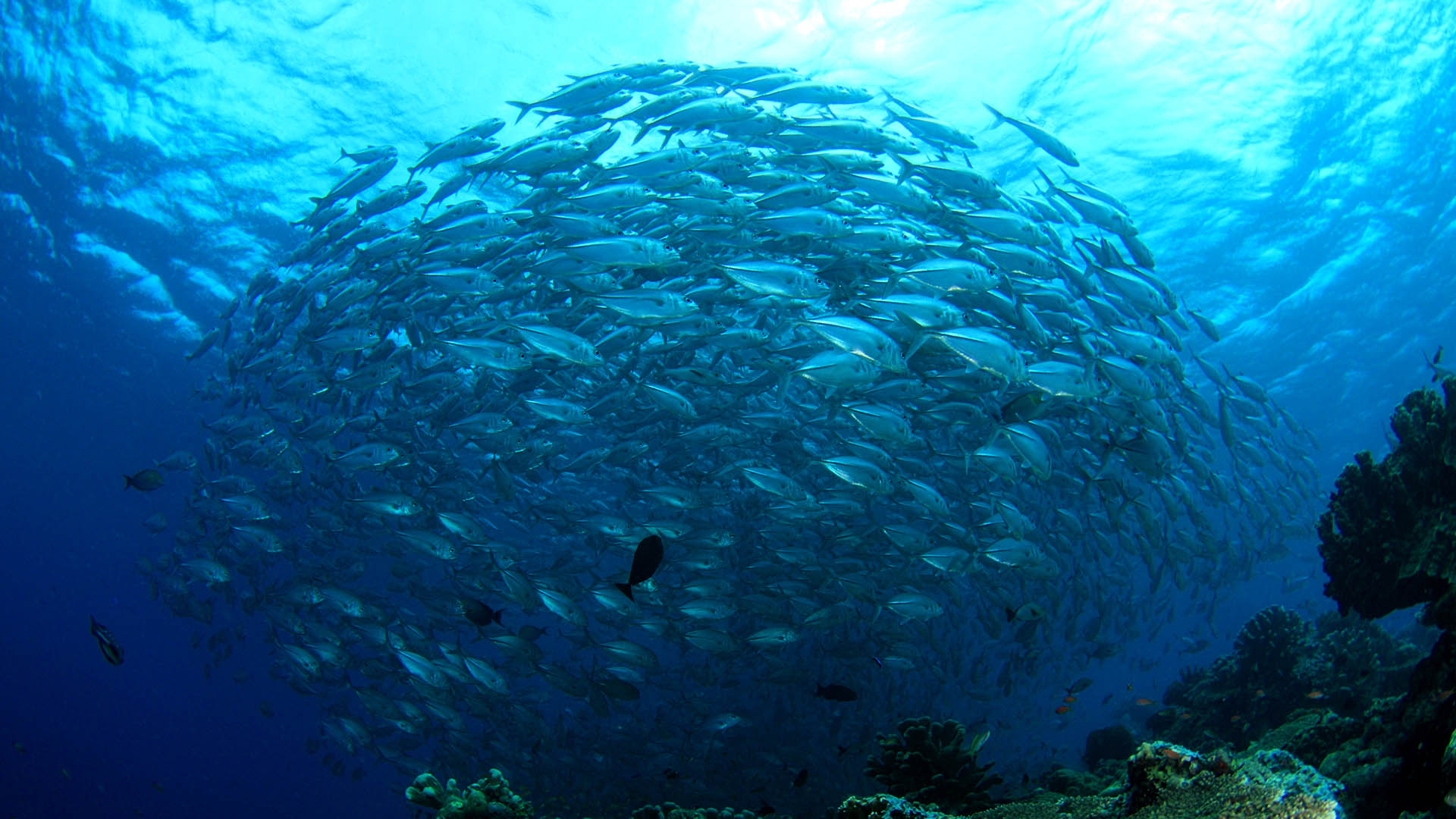




Seafood is a beloved cuisine across the globe, with its rich flavors, nutritional benefits, and diverse varieties. While seafood is enjoyed universally, there’s something uniquely special about local seafood. From the pristine waters of coastal towns to the bustling markets in major cities, local seafood stands apart for a variety of reasons. But what exactly makes local seafood different from the rest of the world’s offerings? This article explores the cultural, environmental, and culinary factors that elevate local seafood, making it not just a meal, but an experience.
1. Freshness at Its Peak
The most noticeable difference between local seafood and that from other parts of the world is its freshness. Seafood is highly perishable, and its flavor and texture can diminish over time. Local seafood, particularly from coastal areas, is often caught and sold the same day. The proximity to the source means the time between catch and table is minimal. Local fishermen bring their catches to market in a matter of hours, ensuring that the seafood maintains its peak flavor, texture, and nutritional value.
Consider the difference between a fish caught in the morning in a coastal town and a fish that’s been transported hundreds or thousands of miles. The latter is likely to have undergone freezing, refrigeration, and sometimes preservatives, altering its taste and texture. Fresh, local seafood retains its natural sweetness and delicate flavors that frozen or transported alternatives cannot replicate. The “local catch” is not just fresh but also carries with it the essence of the place where it was sourced.
2. A Celebration of Local Ecosystems
One of the most significant aspects of local seafood is its connection to the local ecosystem. The fish, shellfish, and crustaceans found in local waters are part of a unique, regional food chain. The diversity of species available in different parts of the world is influenced by local waters, weather patterns, and natural resources. For example, coastal waters in Alaska may yield rich salmon, while the Mediterranean offers a wealth of sardines and anchovies.
This connection to the environment provides a variety of benefits. Local seafood often reflects the sustainable fishing practices in the area, as communities tend to prioritize the protection of their local ecosystems. This leads to healthier fish stocks and a more balanced food chain, contributing to the preservation of the natural habitat.
Furthermore, consuming local seafood often means you’re supporting responsible, small-scale fisheries. Many local fishing practices prioritize long-term sustainability, rather than the overfishing methods employed by large-scale commercial operations. For seafood lovers, it offers a chance to enjoy high-quality ingredients while helping to preserve the delicate ecosystems that produce them.

3. Regional Specialties and Unique Preparations
Local seafood is more than just a generic product — it’s a key part of a region’s culinary identity. Different coastal regions have developed distinct methods of preparing and presenting seafood based on local tastes, ingredients, and cooking traditions. These regional specialties vary from country to country and even from town to town, making the experience of eating local seafood rich with culture and history.
In Japan, for instance, the preparation of sushi and sashimi highlights the delicate nature of the fish, while in Spain, seafood paella showcases the use of fresh, seasonal ingredients in a hearty dish. In the Pacific Northwest of the United States, salmon is often smoked or grilled, offering a different flavor experience than the raw preparations common in other parts of the world. The unique spices, marinades, and garnishes used with local seafood highlight how each community has adapted seafood to their taste preferences and available resources.
Local seafood also includes regional delicacies that cannot be replicated elsewhere. Consider the famed lobster rolls of Maine or the oysters of New Zealand. These specialties are deeply embedded in the region’s culture and are often tied to seasonal traditions. Local seafood offers a genuine taste of the region, providing an authentic food experience that you can’t find anywhere else.
4. Sustainability and Ethical Considerations
Sustainability has become a major consideration for seafood lovers, and local seafood often offers a more sustainable option compared to globally sourced alternatives. In many parts of the world, local fishermen and fishmongers follow sustainable practices, working within the natural limitations of their waters to ensure that the ecosystem remains healthy for future generations. Local fisheries tend to be more tightly regulated, with a focus on maintaining a balance between harvesting and conservation.
In contrast, seafood that is shipped globally often comes from large industrial operations that may prioritize profit over the long-term health of marine life. Overfishing and unethical practices, such as bycatch or harmful fishing methods, can be a concern when sourcing seafood from large-scale operations. By choosing local seafood, consumers can more easily trace where their food is coming from and support ethical, sustainable practices.
5. The Impact of Seasonality
Seasonality plays a significant role in the availability and quality of local seafood. Depending on the region and the time of year, different types of seafood are available for harvest. This seasonal variation allows for a more diverse and dynamic dining experience. For example, the arrival of soft-shell crabs in the spring or the harvesting of oysters during the colder months is a much-anticipated event for seafood lovers.
Local seafood is also more likely to be in sync with nature’s cycles. Many regions have developed harvest schedules that align with breeding seasons, ensuring that marine life is given adequate time to replenish. This respect for the natural cycles of fish and shellfish helps maintain the health of the waters, ensuring that local seafood remains plentiful for future generations.
6. Cultural and Economic Significance
In many coastal communities, seafood is not just a meal — it’s a way of life. Fishing provides jobs, supports local economies, and is an important cultural tradition. From small fishing villages to bustling port cities, seafood plays a central role in the identity of these communities.
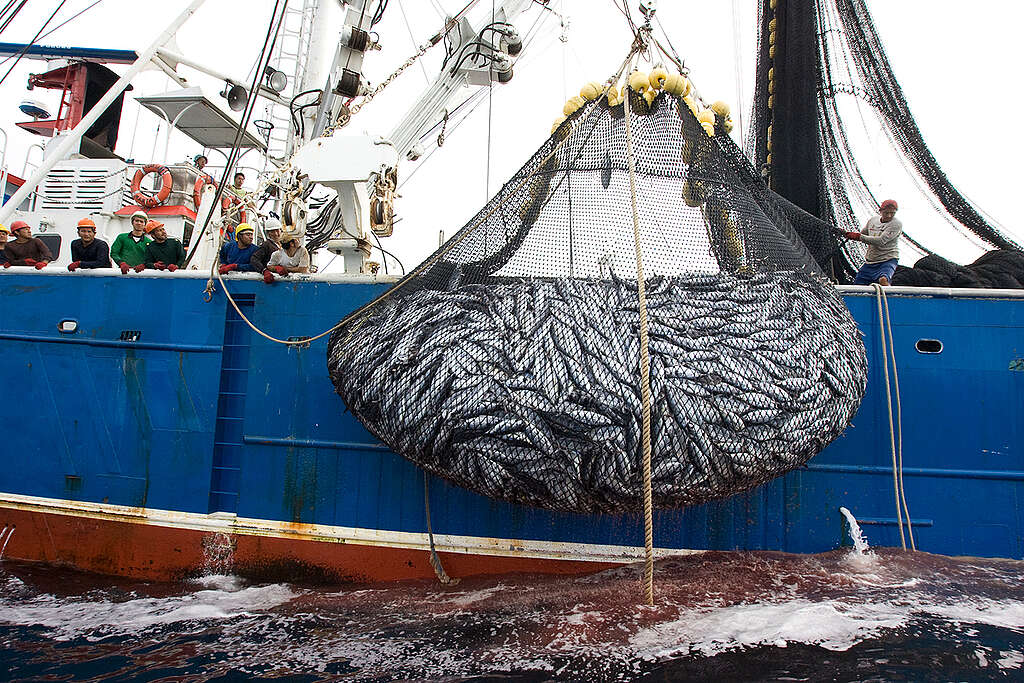
Supporting local seafood is a way to contribute to these economies and preserve cultural heritage. When you choose local seafood, you’re not only getting a higher quality product, but you’re also helping to sustain the livelihoods of fishermen, fishmongers, and the communities that depend on the sea. Moreover, local seafood often supports artisanal production methods, where fish are prepared and sold with a high level of craftsmanship.
Many regions also have festivals and events that celebrate local seafood. From clam bakes to fish fries, these events bring together local communities and tourists to celebrate the culinary traditions that have been passed down through generations. The consumption of local seafood becomes an act of cultural preservation, supporting traditions that have stood the test of time.
7. Flavor and Variety: A Taste of Place
The flavor of local seafood is unparalleled, as it’s shaped by the waters from which it comes. Every body of water imparts a distinct taste to its seafood. Saltwater fish, for example, have a different flavor profile compared to freshwater species. Coastal waters rich in nutrients often yield fish with a stronger, more distinct taste, while waters that are colder tend to produce denser, richer flesh.
The taste of local seafood is also influenced by the specific flora and fauna of the region. Fish that swim in kelp forests or around coral reefs will have a different flavor than those in open water. Local shellfish, such as clams, mussels, and oysters, absorb flavors from the environment, adding layers of complexity to the dish.
Local seafood also provides an opportunity to explore a wider variety of species that may not be available elsewhere. Depending on where you are in the world, you might discover rare or unique seafood offerings that are native to that region. This variety of flavors and textures adds excitement to the dining experience, making it a culinary adventure in every bite.
8. Health Benefits and Nutrition
Local seafood is not only delicious but also packed with health benefits. Rich in omega-3 fatty acids, vitamins, and minerals, seafood is an excellent source of lean protein. The nutritional content of local seafood can vary depending on the species, but it is generally known for being low in saturated fat and high in healthy fats.
Because local seafood is often fresher, it also tends to retain more of its nutritional value. Many global seafood products undergo processes like freezing and transportation, which can diminish their nutrient content. Local seafood, on the other hand, is often consumed shortly after it is caught, ensuring that the health benefits are at their peak.
Conclusion: A Global Appreciation for Local Seafood
While seafood can be enjoyed all over the world, there’s something special about local varieties that reflect the unique character of the region. Whether it’s the freshness, the sustainability, the rich flavors, or the deep cultural ties to the community, local seafood offers an experience that goes beyond just a meal. It’s a connection to the waters, the people, and the traditions that shape each bite.
When you choose local seafood, you’re not just indulging in a delicious meal; you’re supporting small-scale fisheries, celebrating local traditions, and preserving ecosystems. It’s a choice that reflects both your taste and your values, offering a richer, more fulfilling dining experience that can’t be replicated by seafood that’s shipped from across the globe.