



Stew—an unassuming yet rich concoction of ingredients simmered over hours—has long been a dish of choice across the globe. From hearty French cassoulet to the savory Japanese nikujaga, stews hold a special place in culinary traditions, serving not only as a satisfying meal but also as a window into history, culture, and the ingenuity of cooks through time. In this article, we’ll explore the origins, evolution, and cultural significance of some of the world’s most famous stews.
1. Cassoulet: The Heart of French Comfort
Origin and Evolution
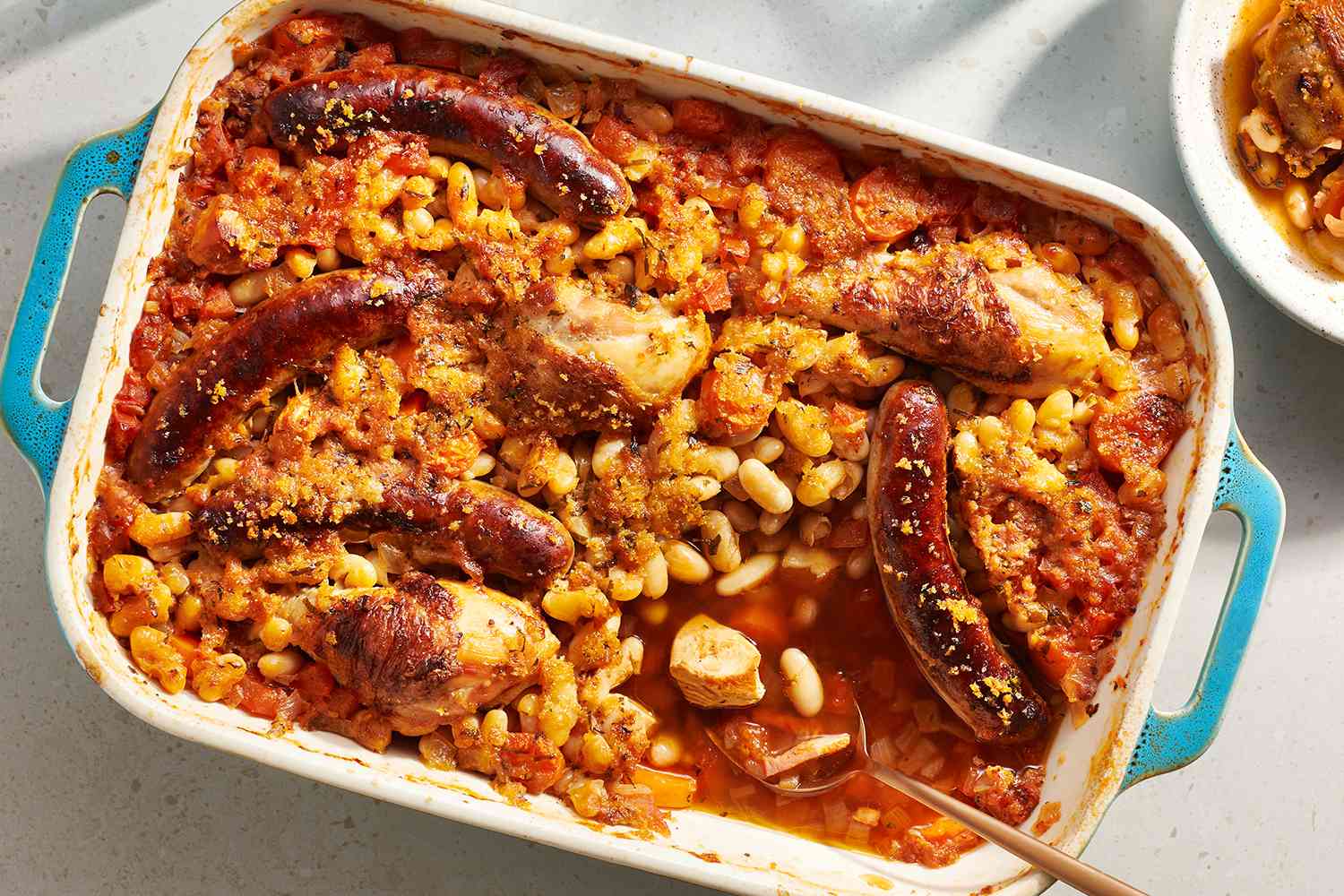
Cassoulet is one of France’s most celebrated stews, a dish that hails from the Languedoc region in the south of the country. Its origins can be traced back to the early 14th century, though its full development as the rich, meaty dish we know today came much later. The name “cassoulet” is derived from the “cassole,” a traditional earthenware pot in which the dish is slowly cooked. Originally, cassoulet was a rustic, peasant dish—simple beans, a bit of meat, and whatever vegetables could be found—designed to sustain workers and soldiers through long, hard days.
The Key Ingredients
The beauty of cassoulet lies in its complexity, where slow-simmering white beans are combined with a variety of meats, from duck confit and lamb to sausages and pork. It’s a dish that embodies the soul of French cuisine—using humble ingredients and cooking them over time to develop deep, complex flavors.
Cultural Significance
Cassoulet is more than just a stew; it’s a symbol of regional pride. Different cities, such as Toulouse, Carcassonne, and Castelnaudary, each claim to have the most authentic version. These variations reflect the subtle differences in local ingredients and cooking methods, further solidifying cassoulet as a dish steeped in both history and regional identity.
2. Beef Bourguignon: France’s Luxurious Stew
Origin and Evolution
Another iconic French stew, beef bourguignon, traces its roots to the Burgundy region. This dish, featuring tender beef simmered in red wine (traditionally Burgundy wine), is a more recent creation compared to cassoulet, dating back only to the 19th century. While the origins of the dish are somewhat unclear, it’s believed that the classic recipe was popularized by Julia Child in her famous cookbook “Mastering the Art of French Cooking,” making it beloved internationally.
The Key Ingredients
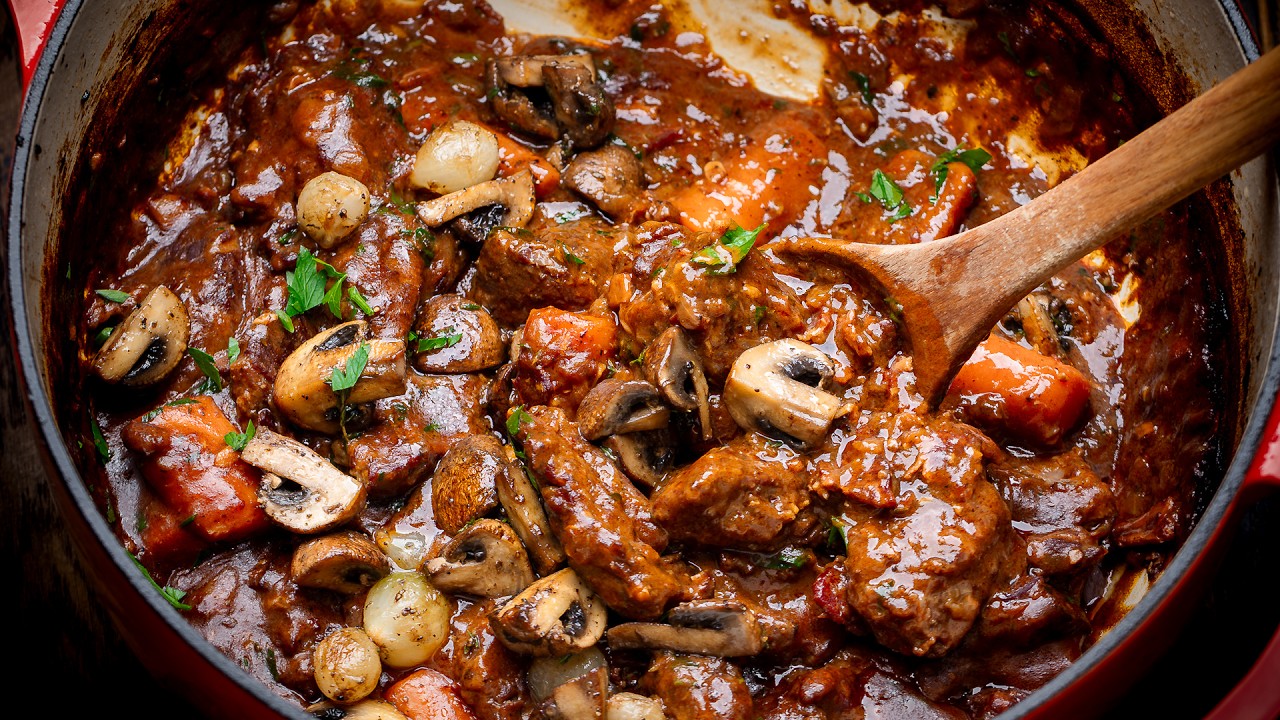
Beef bourguignon is typically made with chunks of beef, carrots, onions, and mushrooms, all simmered in a wine-based broth, and finished with a bouquet garni (a mix of herbs like thyme, bay leaves, and parsley). It’s often accompanied by potatoes or crusty French bread to sop up the rich sauce. The dish’s deep flavors come from hours of slow braising, during which the wine and beef meld into a luxurious, velvety sauce.
Cultural Significance
In French cuisine, beef bourguignon is considered a dish for special occasions, although it has roots in rustic, peasant cooking. The slow cooking process that gives the stew its rich flavors is indicative of French culinary philosophy: transforming simple ingredients into something extraordinary. Today, beef bourguignon is synonymous with indulgence, representing the very essence of French haute cuisine.
3. Irish Stew: A National Dish
Origin and Evolution
As hearty as the weather in Ireland, Irish stew is a dish that represents the nation’s simple, nourishing food culture. Its origins go back to ancient times, though the modern version as we know it began to take shape in the 18th and 19th centuries. Traditionally made by shepherds and farmers, Irish stew was a way to stretch limited resources while providing a filling, nutritious meal.
The Key Ingredients
The traditional ingredients of Irish stew include lamb or beef, potatoes, onions, and carrots. The humble potato, a staple of the Irish diet, forms the heart of the dish, contributing both flavor and substance. Over time, variations have emerged, but the core philosophy remains: a dish that fills the belly with warmth, flavor, and simplicity.
Cultural Significance
Irish stew has become more than just a meal; it’s an emblem of Irish hospitality and cultural heritage. It is often associated with St. Patrick’s Day celebrations and is an essential part of the Irish culinary tradition. In many ways, it represents the resilience of the Irish people, particularly during the Great Famine of the mid-19th century when potatoes were a critical food source.
4. Goulash: Hungary’s Spicy Stew
Origin and Evolution
A dish as spicy as the Hungarian temperament, goulash has a long history that stretches back to the 9th century. Originally, goulash was a simple dish made by Hungarian herders who cooked meat and vegetables in a cauldron over an open fire. Over the centuries, it evolved into the rich, paprika-laden stew that is so beloved today.
The Key Ingredients
Goulash is defined by its bold use of paprika, which imparts both color and flavor to the dish. While the basic version includes beef, onions, and potatoes, the most iconic form of goulash also incorporates peppers, tomatoes, and a range of spices, all simmered slowly to produce a thick, hearty stew.
Cultural Significance

For Hungarians, goulash is a national treasure, served at family gatherings, festivals, and special occasions. It’s more than just food—it’s a source of pride and a symbol of Hungarian hospitality. Its association with the open plains of Hungary speaks to the country’s agricultural roots, and its rich, smoky flavors reflect the intensity of Hungarian culture.
5. Chili Con Carne: The Stew of the American Southwest
Origin and Evolution
Chili con carne is a hearty, spicy stew that originated in the southwestern United States, though its roots may stretch into Mexico, where chili peppers have long been used in cooking. The dish is often considered to be both an American and Tex-Mex creation, with countless variations emerging since its popularization in the late 19th century.
The Key Ingredients
Chili con carne typically features beef or pork, beans, tomatoes, and a mixture of chili peppers. The chili peppers themselves are the star of the dish, providing a deep, rich heat that can be adjusted depending on personal preference. Various spices—cumin, garlic, and oregano—add layers of flavor, and many modern recipes include garnishes like cheese, sour cream, and cilantro.
Cultural Significance
Chili con carne holds a special place in American culinary traditions, particularly in Texas, where it is considered a point of pride. It’s often a dish served during chili cook-offs, sporting events, and casual gatherings. The stew embodies the bold, diverse, and hearty spirit of American Southwest cuisine, and its adaptability makes it a favorite for home cooks and professional chefs alike.
6. Nikujaga: Japan’s Comforting Beef Stew
Origin and Evolution
Nikujaga, a Japanese beef stew, offers a lighter, sweeter alternative to the heavier stews of the West. Its origins are believed to lie in the Meiji period (1868–1912), when Western cooking techniques began to influence Japanese cuisine. Although the dish was initially inspired by Western-style beef stew, it quickly adapted to local tastes by incorporating Japanese seasonings such as soy sauce and mirin.
The Key Ingredients
Nikujaga is typically made with thinly sliced beef, potatoes, onions, and sometimes carrots. The key to its distinct flavor lies in its broth—a balance of soy sauce, sugar, and mirin, which creates a sweet-savory harmony. The dish is often served with rice, making it a complete and comforting meal.
Cultural Significance
In Japan, nikujaga is considered a classic comfort food, especially for family meals. It’s a dish that embodies the Japanese values of balance, simplicity, and seasonality. Many Japanese households have their own version of nikujaga, passed down through generations, making it a cherished staple in the country’s culinary landscape.
Conclusion
From the heart of French bistros to the cozy kitchens of Ireland, stews have shaped and been shaped by their cultures, offering a unique glimpse into the food traditions of their regions. Each stew tells a story—of survival, creativity, and the desire to transform simple ingredients into something extraordinary. These famous stews continue to warm hearts and bellies, generation after generation, keeping alive the history, flavors, and stories of the past. Whether it’s the slow-braised richness of beef bourguignon, the smoky heat of goulash, or the hearty simplicity of Irish stew, these dishes represent the very essence of comfort food.