



The texture of ingredients is one of the most important yet often overlooked aspects of cooking. While flavor undoubtedly steals the spotlight in culinary conversations, the tactile experience of food—the way it feels in your mouth—plays a significant role in how a dish is perceived and enjoyed. Texture influences everything from the first bite to the lingering aftertaste, guiding the diner’s experience in subtle but powerful ways. The interplay of textures can elevate a simple dish into a memorable one, while poor texture combinations can detract from even the most flavorful recipes.
This article will delve into how the texture of ingredients influences a dish’s success, highlighting the science, art, and creativity behind balancing textures to achieve culinary greatness.
1. The Science of Texture: What It Actually Means
Texture, in the culinary sense, refers to the physical properties of food that can be perceived by the senses, mainly through touch and taste. It encompasses a broad range of qualities, from the crispness of fresh vegetables to the smoothness of a perfectly whipped mousse. These physical attributes are often the result of chemical structures, moisture content, preparation methods, and cooking techniques.
At a microscopic level, texture is influenced by the structure of food at the cellular level. For example, the cellulose in vegetables or the collagen in meats plays a role in the firmness or tenderness of a dish. The presence of air, fat, and water also affects how food feels in the mouth. This is why a meringue is airy and light, while a piece of steak can be chewy or tender, depending on how it is cooked.
2. Textural Contrast: A Key Element in Cooking
One of the most effective ways to create a balanced dish is through the use of textural contrast. This concept involves pairing ingredients with different textures to create a dynamic eating experience. A perfect example of this is the combination of crispy and creamy, such as in a dish featuring crispy fried chicken served with mashed potatoes or coleslaw.
The human palate craves contrast. If a dish is made entirely of soft, mushy ingredients, the meal can feel monotonous and lack excitement. On the other hand, a dish composed entirely of crunchy components might be difficult to eat or unappealing over time. It’s the delicate balance between crunchy, creamy, tender, and firm textures that keeps the dining experience engaging.
Example 1: Sushi
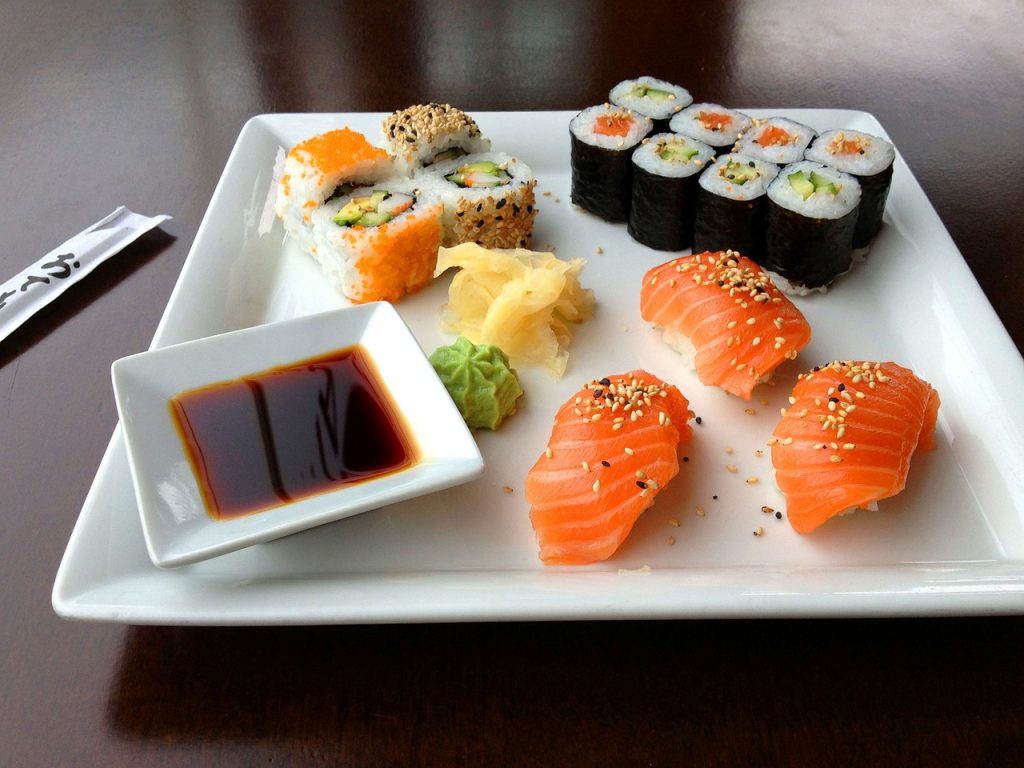
A prime example of textural contrast is sushi. The delicate, smooth texture of fresh fish is perfectly complemented by the firm, slightly sticky texture of rice. The occasional crunch of vegetables like cucumber, paired with the soft chewiness of seaweed, adds another layer of textural pleasure. This balance creates harmony in every bite, making sushi not just a feast for the taste buds, but for the mouth as well.
Example 2: Salad
Consider a well-crafted salad. You have crunchy lettuce, tender tomatoes, creamy avocado, and sometimes the added texture of nuts or cheese. This variety ensures that every bite offers something different, keeping the eater interested from start to finish. Without these different textures, a salad would likely feel one-dimensional, even if the ingredients were fresh and flavorful.
3. Texture as a Reflection of Cooking Techniques
The texture of a dish can also be deeply influenced by the cooking methods employed. Different cooking techniques can break down or preserve the texture of ingredients in various ways.
Roasting and Grilling
High-heat cooking methods such as roasting and grilling are known for creating crisp, caramelized exteriors while maintaining a tender interior. Take roasted vegetables, for example: the outside becomes golden and crispy, while the inside remains soft and juicy. The contrast between the crispy skin and the tender flesh is a hallmark of roasted vegetables, making them both flavorful and texturally satisfying.
Boiling and Steaming
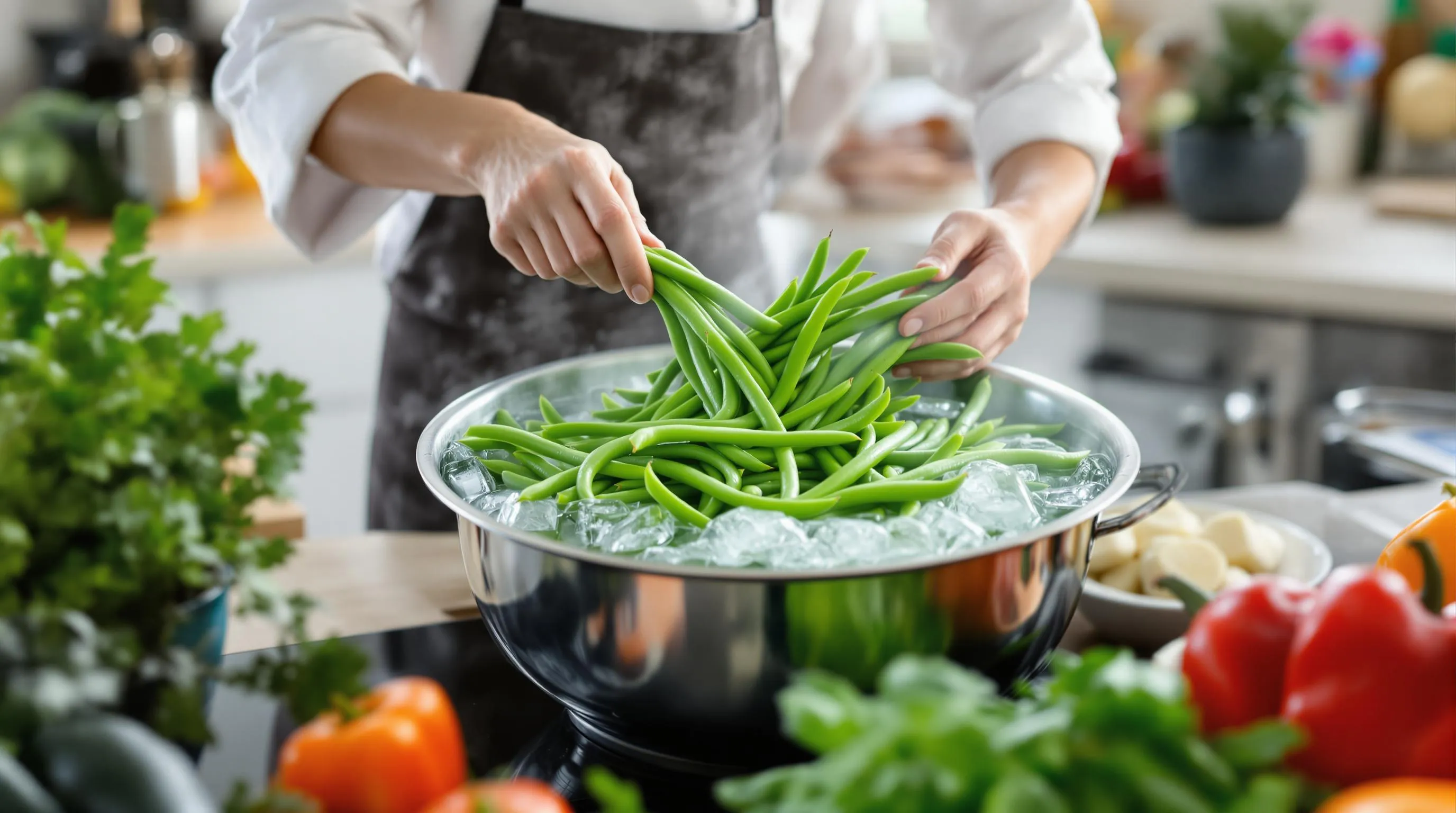
In contrast, boiling and steaming are gentler methods that can soften ingredients without losing their moisture. Boiled potatoes, for instance, become fluffy and smooth when mashed, making them an ideal base for creamy mashed potatoes. Steamed fish, on the other hand, becomes tender and delicate, allowing the natural texture of the protein to shine through.
Frying
Frying is another technique that directly impacts texture. Foods like fried chicken, tempura, or French fries rely on the crispiness of the batter or outer coating to create contrast with the soft or juicy interior. The heat of the oil cooks the outer layer quickly, forming a crisp crust, while the inside remains moist and tender, creating a satisfying crunch and bite.
Braising and Slow-Cooking
Slow-cooking methods like braising, where meats are cooked in liquid for an extended period, transform tough cuts of meat into tender, melt-in-your-mouth morsels. The slow cooking process breaks down collagen in the meat, resulting in a softer texture. This is why dishes like braised short ribs or pulled pork are so beloved—they offer a satisfying tender texture that contrasts beautifully with other elements in the dish, such as crispy vegetables or bread.
4. Ingredient-Specific Textures
Let’s take a closer look at some common ingredients and how their textures contribute to the success of a dish.
Meat
The texture of meat is crucial in determining whether a dish is successful or not. For example, a steak can range from chewy to tender depending on the cut and how it’s cooked. Ribeye, with its marbled fat, tends to be tender and juicy, while lean cuts like flank steak require careful cooking to avoid becoming tough. Slow-cooking tougher cuts, like brisket or chuck roast, breaks down the connective tissue, resulting in a soft, tender texture that contrasts wonderfully with other ingredients.
Vegetables
Vegetables come in a wide variety of textures, from the crispness of raw carrots to the creamy smoothness of mashed potatoes. Roasting vegetables like cauliflower or Brussels sprouts can bring out their natural sweetness while adding a satisfying crunch. On the other hand, pureeing vegetables, such as in soups or sauces, transforms them into a velvety, smooth texture that can create a rich, comforting base for a dish.
Seafood
Seafood often has a delicate, flaky texture that requires gentle cooking methods. Overcooking fish or shellfish can lead to a dry, rubbery texture. A perfectly cooked piece of fish, however, should have a tender, slightly flaky texture that falls apart effortlessly with a fork. Scallops, when cooked correctly, should be firm but still tender, with a subtle crispness on the outside from searing.
Grains and Pasta

Grains and pasta also contribute significantly to a dish’s texture. Pasta should have a firm bite (al dente) that provides a contrast to sauces, while rice can range from fluffy and light (such as jasmine rice) to sticky and soft (like sushi rice). The texture of grains and pasta allows them to serve as a foundation for other ingredients, supporting both the flavor and the balance of the dish.
5. The Importance of Texture in Mouthfeel
Mouthfeel refers to the way food feels in the mouth, which is directly related to its texture. A satisfying mouthfeel can elevate a dish, making it more enjoyable to eat. This is especially important in dishes that are meant to be indulgent or comforting, such as creamy pastas, rich stews, or decadent desserts.
Consider a dish like mac and cheese. The creamy sauce contrasts with the slight chewiness of the pasta, creating a pleasurable mouthfeel that keeps the eater coming back for more. If the sauce were too thin or too thick, the overall mouthfeel would suffer. Similarly, a chocolate mousse that is perfectly smooth and velvety offers a mouthfeel that enhances its rich, sweet flavor.
6. Pairing Textures for Maximum Impact
When creating a dish, it’s not just about having different textures, but about pairing them in ways that amplify each other. Here are some classic pairings that work well in a variety of cuisines:
Sweet and Salty
A dish that combines sweet and salty elements often benefits from contrasting textures. Think of salted caramel: the rich, smooth caramel contrasts with the slightly crunchy salt crystals, creating a satisfying balance. This pairing also works in savory dishes, such as salted pork belly served with a sweet apple compote.
Creamy and Crunchy
One of the most popular texture pairings is creamy and crunchy. This can be seen in everything from salads with creamy dressings and crunchy croutons to desserts like ice cream topped with crushed cookies or nuts. The smoothness of the creaminess provides a contrast to the crispness of the crunchy elements, creating a balanced, satisfying texture profile.
Soft and Firm
Soft and firm textures can also complement each other. A dish that combines tender cooked meat with a crisp vegetable or a soft egg with firm toast plays with the contrast between textures to enhance the overall experience. The balance of soft and firm textures keeps each bite interesting and satisfying.
7. Conclusion: The Power of Texture in Culinary Success
In cooking, texture isn’t just a byproduct of preparation—it’s a powerful tool that can make or break a dish. Whether it’s the tender chew of a perfectly cooked steak, the crunch of freshly picked vegetables, or the smoothness of a well-executed dessert, texture is what transforms food from a mere combination of ingredients into an immersive experience. By understanding how different textures influence the perception of a dish, chefs can create more dynamic and memorable meals that engage all the senses.
The next time you’re in the kitchen, think not just about flavors, but about the textures that will make your dish truly stand out. Combining, contrasting, and balancing textures can elevate your cooking, giving each dish a unique, compelling experience that will leave diners wanting more.