



Tea, with its subtle yet aromatic qualities, is often associated with the warm and calming ritual of sipping from a delicate cup, but its potential as a culinary ingredient is boundless. From the bustling markets of Asia to high-end restaurants around the world, tea is increasingly being used as a flavoring agent, transforming everything from savory dishes to sweet desserts. This article explores the exciting possibilities of cooking with tea, delving into how it enhances flavors, its versatility in various cuisines, and creative ways to incorporate it into your kitchen repertoire.
Tea as a Flavoring Agent
At its core, tea is a plant-based liquid, rich in both subtle and robust flavors that stem from its diverse origins. Whether it’s the fresh grassy notes of green tea, the malty richness of black tea, or the earthy aroma of oolong, tea offers a wide range of flavors that are perfect for infusing into food. The natural compounds in tea, such as polyphenols and tannins, give it a unique complexity that can enhance both sweet and savory dishes.
Tea is not just a drink—it’s a tool for culinary creativity. Just like herbs and spices, tea has the ability to enhance, contrast, or complement other flavors, making it a valuable addition to many recipes. Whether used to marinate meat, infuse a sauce, or bake into a cake, tea adds depth and character to dishes in ways that are subtle yet impactful.
Tea and Its Role in Different Cuisines
Tea is not only a beloved drink but has also become an essential ingredient in many global culinary traditions. The use of tea as a flavoring agent is particularly prominent in Eastern cuisines, but it has also made its way into Western kitchens, with chefs experimenting with tea in both savory and sweet dishes.
Eastern Cuisine
In Chinese and Japanese cooking, tea has been used for centuries, primarily in broths, soups, and rice dishes. One notable example is Chinese tea-smoked duck, where tea leaves are used to infuse a smoky aroma into the meat. Similarly, Japanese matcha (powdered green tea) is a star ingredient in desserts like matcha mochi and matcha ice cream, imparting a delicate bitterness that balances sweetness. Indian cuisine also uses tea, particularly masala chai, in cooking. Spices like cardamom, cinnamon, and ginger are combined with tea to create a base for cooking meats or adding flavor to rice.

Western Cuisine
In Western cooking, the use of tea is relatively new but gaining popularity. Earl Grey tea is frequently used in sauces and glazes for meats, particularly chicken and pork, where its citrusy notes pair wonderfully with the richness of the meat. Tea can also be used in desserts—black tea cakes or green tea macarons are common examples. Tea can even be infused into simple syrups, which are then used to flavor cocktails, lemonades, or ice creams.
Fusion and Contemporary Dishes
Many chefs today are experimenting with fusion cuisines, where tea is being incorporated in novel ways. Oolong tea-infused chocolate truffles, or green tea soba noodles, are examples of how tea can bridge different culinary traditions. The infusion of tea into modern cooking not only adds flavor but can introduce a new layer of sophistication to familiar dishes.
Techniques for Using Tea in Cooking
When using tea in cooking, how you prepare it can make a big difference. Here are a few key techniques for incorporating tea into your dishes effectively:
- Brewing and Steeping: To infuse tea into a dish, it’s important to brew it correctly. For most uses, steep the tea in hot water, but avoid over-brewing, which can lead to bitterness. For savory dishes, it’s best to use a less concentrated brew to avoid overwhelming the flavors of other ingredients.
- Tea Leaves vs. Tea Extracts: Tea leaves can be used directly in some recipes (like tea-smoked dishes or infused rice). However, tea extracts or oils are more concentrated and can be a better option for recipes requiring a more potent tea flavor. For desserts, using matcha powder (a concentrated form of green tea) can produce vibrant color and flavor.
- Balancing Bitterness: Some teas, especially black teas, have a natural bitterness that may not always work well in certain dishes. Balancing the bitterness of the tea with complementary flavors, like sweetness or acidity, can help bring out the best in your recipe. For example, pairing a smoky tea with honey or citrus in a glaze can create an irresistible flavor profile.

Pairing Tea with Foods
Just like wine, tea has its ideal pairings with various foods. The key is to consider the flavor profile of the tea and match it with complementary or contrasting ingredients. Here are some classic pairings to consider:
- Green Tea: Pairs wonderfully with delicate flavors like seafood, chicken, and sushi. The light, grassy taste of green tea also complements fresh vegetables and leafy salads.
- Black Tea: Rich and robust, black tea pairs well with hearty dishes such as beef, lamb, or roasted pork. It also works well in sauces and marinades that require a deeper flavor.
- Herbal Teas: Herbal teas, like chamomile or mint, are great for pairing with lighter dishes like salads or fruit-based desserts. Mint tea, for instance, can pair beautifully with lamb or a yogurt-based dish.
- Oolong Tea: A perfect match for stir-fries, particularly those with richer sauces. The tea’s smooth, slightly floral notes add depth to dishes like oyster sauce chicken or pork belly stir-fry.
Creative Ways to Use Tea in Recipes
Tea isn’t just for sipping—it can be used in countless ways to add flavor and intrigue to your cooking. Here are a few ideas to get started:
- Tea-infused Marinades and Sauces: Use tea to marinate meats or seafood for an added layer of flavor. For example, a marinade made from Earl Grey tea, soy sauce, and honey can be used for chicken or duck.
- Tea-based Soups and Stews: Tea can act as a base for broths in soups or stews. A simple green tea-infused broth can be used for a variety of soups, adding an herbal undertone that enhances the flavors of the vegetables and proteins.
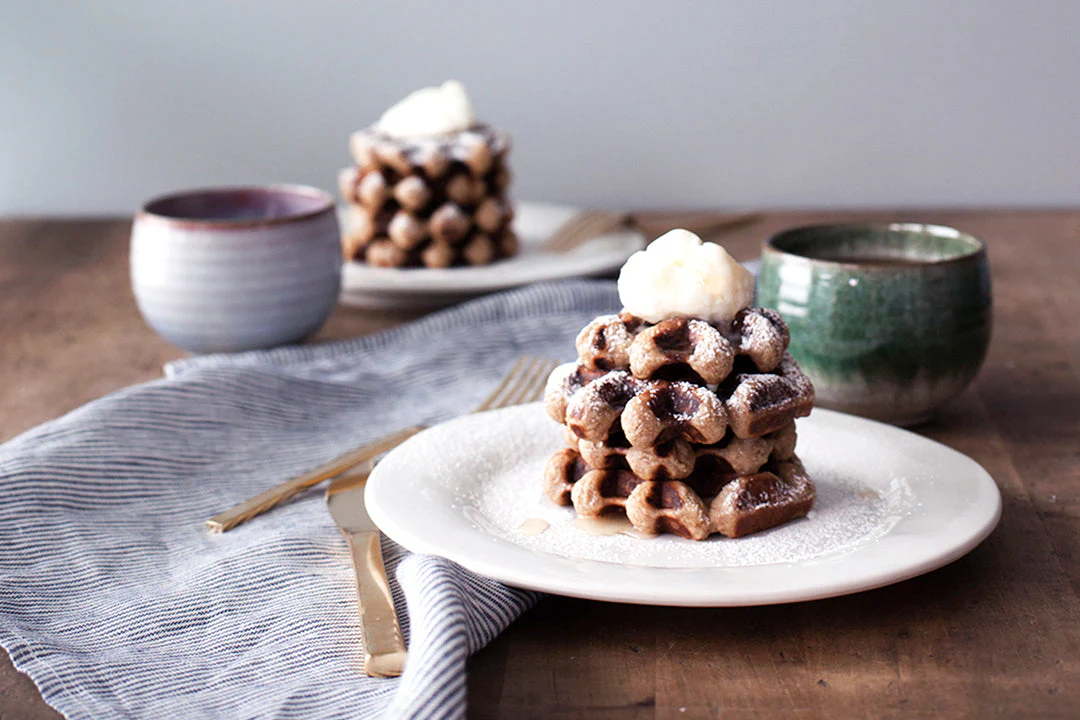
- Tea in Baking: Use matcha or black tea to create unique cakes, cookies, and pastries. Tea can be added directly to the dough, or it can be used in syrups to brush over cakes to enhance their flavor.
- Tea in Beverages: Tea is an excellent ingredient for both alcoholic and non-alcoholic beverages. Think of cocktails like tea mojitos or mocktails with chamomile or lavender tea. Teas like iced lemon black tea or peach green tea make refreshing summer drinks.
- Garnishes: Use whole tea leaves as a garnish for cocktails or dishes. For instance, a sprig of mint tea leaves can add a fragrant touch to a dessert, while rosemary tea leaves could garnish a roasted lamb dish.
Health Benefits of Cooking with Tea
Tea isn’t just flavorful—it’s also packed with health benefits. By incorporating tea into your cooking, you can harness these benefits in a delicious way. Here are a few of the health advantages:
- Antioxidants: Teas, especially green and white varieties, are loaded with antioxidants that can support the immune system and promote overall health.
- Anti-inflammatory Properties: Many teas, like chamomile and ginger tea, have anti-inflammatory properties, which can be beneficial in soothing and healing the body.
- Natural Flavor without Added Sugar: Tea can be a great way to add flavor without relying on artificial flavoring agents or excessive sugar, making it a healthier option in many dishes.
Conclusion
Tea is not only a beverage to be enjoyed in solitude but also a powerful ingredient in the kitchen. Its versatility as a flavoring agent makes it perfect for a wide variety of dishes—from traditional tea-infused Asian recipes to innovative tea-infused desserts. Whether you’re using it to marinate meats, infuse soups, or bake delicate treats, tea brings complexity and elegance to the table. As more chefs explore the culinary potential of tea, its place in the kitchen will continue to grow. So next time you’re in the kitchen, why not try using tea in your cooking? The possibilities are endless.