


When it comes to growing your own vegetables, most gardeners instinctively know that good care, sunlight, and water are essential. But there’s one factor that often gets overlooked—the soil. Soil is the foundation for any healthy garden, and it can make all the difference between a bountiful harvest and a lackluster crop. While it’s easy to get caught up in selecting the right seeds or following the latest gardening trend, it’s the quality of the soil that directly impacts your plants’ growth, nutrient uptake, and overall health.
So, why should you consider the soil where your vegetables grow? The answer lies in the vital role soil plays in the life of your garden. In this article, we’ll explore the reasons why soil is the unsung hero of your vegetable garden, and how understanding and nurturing it can lead to better growth, higher yields, and more flavorful produce.
1. Soil is the Foundation of Plant Health
At its core, soil is the environment in which plant roots grow and thrive. It provides the structure that allows plants to anchor themselves and absorb water and nutrients. If the soil is poor or unbalanced, even the most carefully tended plant will struggle to grow. Without good soil, plants have to fight for their survival, resulting in weak stems, smaller leaves, and stunted growth. By considering the soil’s composition, you’re ensuring that your plants have the best possible start in life.
Good soil can be thought of as a balanced ecosystem where beneficial organisms like earthworms, fungi, and bacteria contribute to plant health. These tiny workers break down organic matter into nutrients that plants can absorb and use for growth. The more diverse and healthy the soil ecosystem, the stronger and healthier your plants will be.
2. Soil Influences Nutrient Availability
One of the key reasons soil is so important is its role in nutrient availability. Nutrients like nitrogen, phosphorus, potassium, calcium, magnesium, and many others are critical for plant development. However, not all soils are created equal when it comes to holding onto these essential nutrients. Soil texture, pH, and structure directly influence how well plants can access these nutrients.
Soils can be broadly classified into three types based on texture:
- Sandy soil: Drains quickly but doesn’t retain nutrients well.
- Clay soil: Holds nutrients but tends to drain poorly.
- Loamy soil: A balanced mixture of sand, silt, and clay, it retains moisture and nutrients effectively and allows for good drainage.
In addition to texture, soil pH (which can range from acidic to alkaline) affects the availability of certain nutrients. For example, most vegetables thrive in a soil pH between 6.0 and 7.0. Too acidic or too alkaline, and certain nutrients become locked in the soil, making them unavailable to plants.
3. Soil Affects Water Retention and Drainage
Water is another vital resource for plant health. But how well soil retains and drains water can significantly affect the outcome of your harvest. Too much water can drown plant roots, leading to root rot, while too little water can cause dehydration and stunt growth. The key is balance, and soil plays a huge role in this.

Loamy soil is known for being ideal in terms of both water retention and drainage. It absorbs moisture without becoming waterlogged, ensuring that plants get a steady supply of water. Sandy soils, while good at draining, often dry out too quickly, requiring more frequent watering. On the other hand, clay soils can hold onto too much water, leading to soggy roots that don’t get enough oxygen.
By considering soil texture and adding organic matter, you can improve your soil’s ability to retain moisture and promote healthy root growth. Adding compost, mulch, and organic materials helps the soil retain moisture without becoming compacted or waterlogged.
4. Soil Can Influence Pest and Disease Resistance
The health of your soil can directly impact how well your vegetables are able to fend off pests and diseases. A rich, diverse soil ecosystem teems with beneficial microbes and insects that help keep harmful pests in check. These natural predators work like an invisible army, preventing the spread of harmful pathogens and controlling populations of insects that might otherwise damage your crops.
On the flip side, poor soil with low microbial activity can leave plants vulnerable to pests and diseases. When soil lacks diversity, it creates an environment where harmful organisms, such as certain fungi or bacteria, can thrive unchecked. Additionally, plants growing in weak soil are often stressed, which can make them more susceptible to pests like aphids, caterpillars, and beetles.
By maintaining healthy, nutrient-rich soil, you create a self-sustaining ecosystem where plants are stronger and less vulnerable to pests and disease. Healthy soil encourages beneficial insects like ladybugs, spiders, and predatory beetles to thrive, naturally controlling pests in your garden.
5. Soil Affects Plant Flavor and Nutrition
It’s not just the quantity of the harvest that matters—it’s also the quality. Vegetables grown in nutrient-rich, balanced soil tend to be more flavorful, nutritious, and aromatic. This is because healthy soil provides the nutrients necessary for the production of compounds that contribute to the flavor and aroma of vegetables.
For example, tomatoes grown in nutrient-rich soil often have a sweeter taste because they are able to absorb the necessary sugars and acids that develop their flavor. Similarly, leafy greens like spinach and lettuce have higher vitamin content when grown in soil that is rich in minerals and organic matter.
Moreover, the flavor and nutritional quality of your vegetables can be influenced by soil pH. Too high or too low pH can disrupt the absorption of certain minerals, leading to imbalances that can affect taste. Soil that’s well-balanced in terms of both nutrients and pH will result in vegetables that are not only bigger but also tastier and more nutrient-dense.

6. Soil Erosion Can Have Long-Term Impacts
Soil erosion is a major concern for gardeners, especially those who grow vegetables in areas with heavy rainfall or wind. Erosion occurs when soil is worn away by natural forces, leaving behind exposed roots and nutrient-poor land. Over time, soil erosion can deplete the quality of the land and lead to a decrease in the amount of organic matter in the soil, further diminishing its fertility.
The best way to prevent soil erosion is through proper soil management. This can include practices like mulching, planting cover crops, and avoiding excessive tilling. By keeping the soil covered and healthy, you can help prevent erosion and ensure that your vegetables continue to grow in nutrient-rich conditions.
7. The Role of Organic Matter in Soil Health
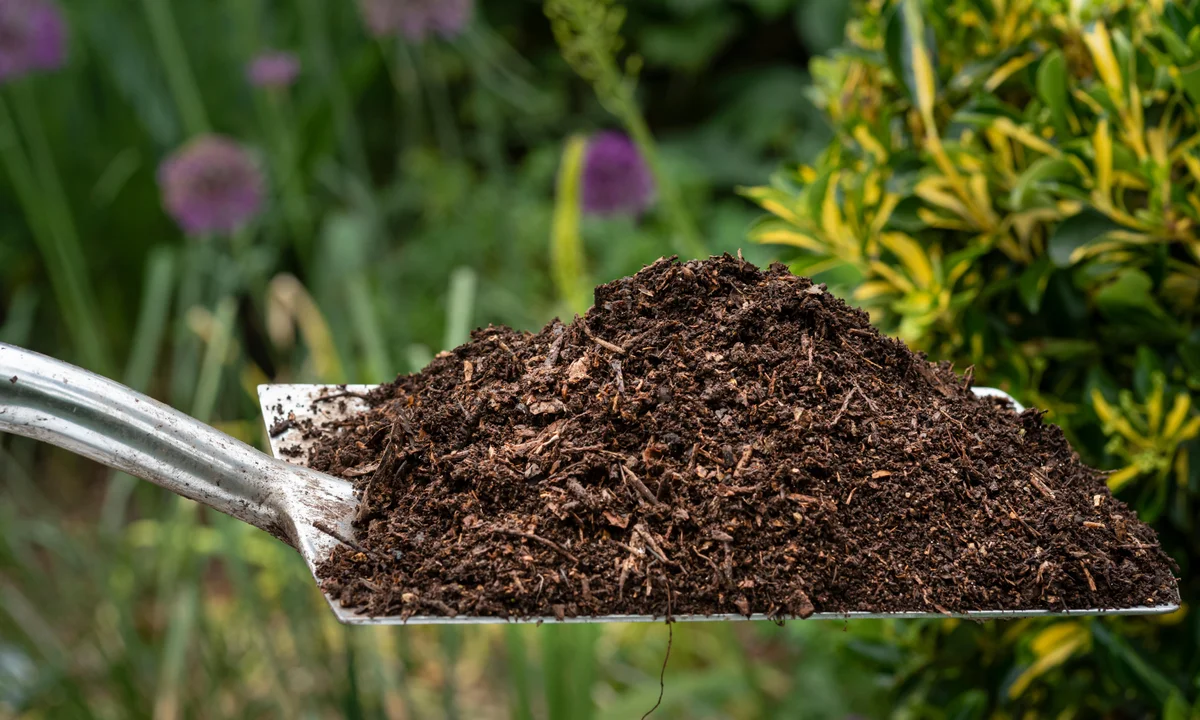
Organic matter, such as compost, decomposed leaves, and plant residues, is essential for maintaining healthy soil. It serves as food for soil organisms, such as earthworms and microbes, and helps improve the soil’s structure. Organic matter acts as a sponge, retaining moisture and preventing soil compaction, which allows roots to penetrate more easily.
Adding organic matter to the soil improves its ability to hold nutrients, increases the microbial diversity, and enhances the soil’s water retention capacity. This is why gardeners often recommend adding compost or well-rotted manure to your soil before planting vegetables. It enriches the soil and provides a continuous supply of nutrients, creating the perfect environment for healthy plants.
8. Soil Testing: The Key to Understanding Your Soil
One of the best ways to understand your soil is to conduct a soil test. A soil test analyzes the pH level, nutrient content, and texture of your soil, providing valuable information that can guide your gardening practices. Soil tests help you determine what your soil might be lacking, whether it’s nitrogen, potassium, or calcium, and allow you to amend it accordingly.
Regular soil testing is particularly useful for long-term garden health. By testing your soil every few years, you can track changes in nutrient levels and ensure that your vegetables always have the best possible growing environment.
Conclusion: The Power of Soil
So, when you ask yourself why you should consider the soil where your vegetables grow, remember that soil is much more than just dirt. It’s a living, breathing ecosystem that serves as the foundation for your plants’ growth, health, and productivity. Good soil leads to healthy, vibrant vegetables that are full of flavor and nutrients, while poor soil can result in weak, underperforming crops.
Taking the time to assess and nurture your soil will pay off in the long run. Whether it’s improving water retention, adding organic matter, or simply keeping an eye on soil pH, the efforts you put into understanding your soil will lead to better, healthier vegetable gardens.
By embracing the importance of soil, you’re not only improving the outcome of your current gardening project but also ensuring that your land remains fertile and productive for future harvests. Soil is more than just a place for roots to grow—it’s the heart of a thriving vegetable garden.