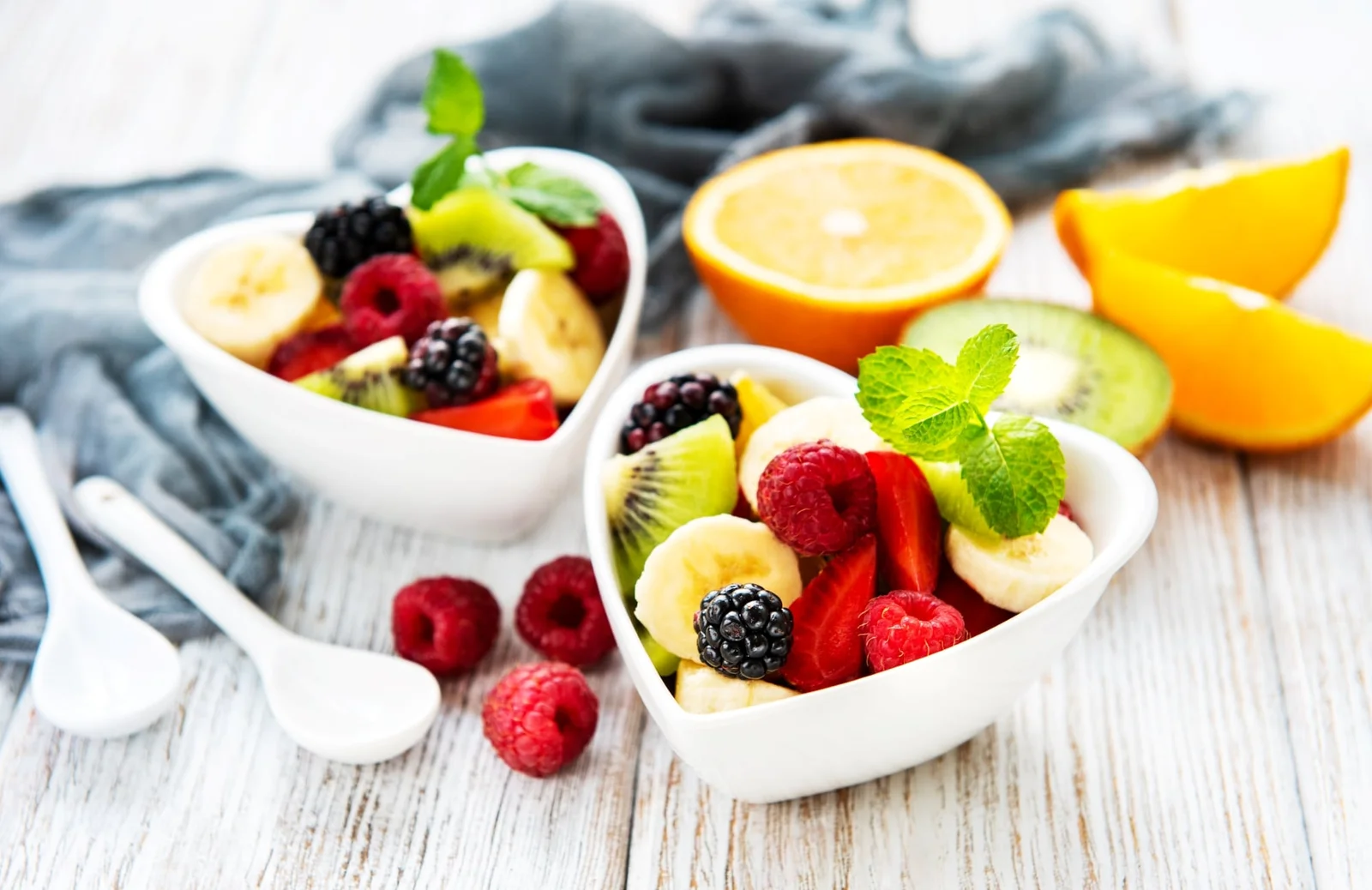




In a world where food is often categorized as either “healthy” or “indulgent,” the idea that a dish can be both may seem like a contradiction. Health-conscious eaters often associate indulgent foods with excess calories, sugar, and unhealthy fats, while healthy foods are linked with blandness and restriction. However, this binary view of food misses an important point: balance. With a little creativity and an understanding of nutrition, it is entirely possible to craft dishes that are both indulgent and nutritious. So, how can we redefine indulgence to fit into a healthier lifestyle?
Breaking the Traditional Dichotomy
Traditionally, “indulgent” dishes are those that we crave during special occasions or when we want to reward ourselves. These meals are often rich in fats, sugars, and salt—think creamy pastas, rich desserts, or buttery pastries. Healthy food, on the other hand, is typically associated with simplicity: salads, grilled chicken, steamed vegetables, and whole grains. But does healthy eating always have to mean deprivation, and can indulgence ever mean something more than just a temporary treat for your tastebuds?
The truth is, the definition of indulgence can be expanded. Instead of focusing solely on high-calorie, comfort-food ingredients, we can think about indulgence in terms of flavor, texture, satisfaction, and variety. By shifting the focus from empty calories to nutrient-dense ingredients, indulgent dishes can become just as satisfying as their less-healthy counterparts, with the added bonus of providing real health benefits.
What Does It Mean to Be Healthy?
Before diving into how to create healthy indulgences, it’s important to define what “healthy” really means in the context of food. Healthy eating isn’t about restriction or depriving yourself of enjoyment—it’s about nourishing your body with a balance of macronutrients (protein, carbohydrates, fats) and micronutrients (vitamins, minerals). A healthy meal should include whole, minimally processed ingredients that provide the nutrients your body needs to thrive.
Healthy foods are typically rich in antioxidants, fiber, protein, and healthy fats, and low in added sugars, refined carbs, and unhealthy fats. While this may sound like a strict set of guidelines, there’s plenty of room for creativity. Eating healthy can be incredibly satisfying and delicious—once we get rid of the misconception that healthy food has to be bland or boring.
What Does It Mean to Be Indulgent?
Indulgent foods are often associated with comfort and pleasure. These are the foods that make you feel good after a long day or when you’re celebrating something special. But indulgence doesn’t necessarily have to mean a food that’s packed with refined sugars or deep-fried. Indulgence can also mean a rich experience of flavors, textures, and presentation that makes the dish feel special.
By rethinking indulgence, we can craft dishes that feel luxurious while still being nourishing. The key is to focus on ingredients that are not only delicious but also provide benefits to your body, such as healthy fats, lean proteins, and nutrient-dense vegetables. This way, you can satisfy your cravings without the guilt.
:max_bytes(150000):strip_icc()/172398-zucchini-noodles-DDMFS-beauty-4x3-38e8c6f60efd477f8d1a1400f3a825cd.jpg)
The Concept of “Healthier Indulgence”
Healthier indulgence isn’t about making every meal super low-calorie or minimizing every little indulgence—it’s about balance. If you focus on incorporating whole, natural ingredients into your meals while reducing processed foods and empty calories, you can enjoy indulgent dishes without compromising on your health.
Here are some tips for creating dishes that are both healthy and indulgent:
- Use Healthier Fats
Instead of relying on butter, cream, or processed oils, use healthy fats such as avocado, olive oil, or coconut oil. These fats are rich in nutrients and antioxidants that support brain function, heart health, and overall well-being. - Maximize Flavor with Spices and Herbs
Rather than loading up on sugar or salt to enhance flavor, use herbs and spices like cinnamon, ginger, basil, and rosemary. These ingredients not only boost the flavor profile of your dishes but also provide antioxidant and anti-inflammatory benefits. - Focus on Whole Grains and Vegetables
Whole grains like quinoa, farro, or brown rice add texture and substance to meals while providing fiber and essential nutrients. Similarly, vegetables like roasted sweet potatoes, Brussels sprouts, and beets add natural sweetness and earthy flavors that make a dish feel indulgent. - Opt for Plant-Based Proteins
Plant-based proteins such as lentils, chickpeas, and black beans are high in fiber and protein, and they contribute to a sense of fullness and satisfaction. Pairing these with a rich sauce or dressing can give your dish a luxurious feel without the heaviness of meat. - Make Desserts Healthier
Indulging in a dessert doesn’t have to mean overloading on sugar and empty calories. Try using natural sweeteners like maple syrup, honey, or stevia to reduce the sugar content. Incorporating dark chocolate, fruit, and nuts can also add depth and richness to your dessert while keeping it healthy. - Portion Control
Being indulgent doesn’t mean overindulging. A key aspect of creating a balanced dish is understanding portion control. Eating a smaller serving of something indulgent, paired with a nutrient-dense side, allows you to enjoy the flavors without overeating.
Examples of Healthy Indulgent Dishes
Now that we have a framework for what healthy indulgence looks like, let’s explore some examples of dishes that strike the perfect balance between both.
1. Zucchini Noodles with Avocado Pesto
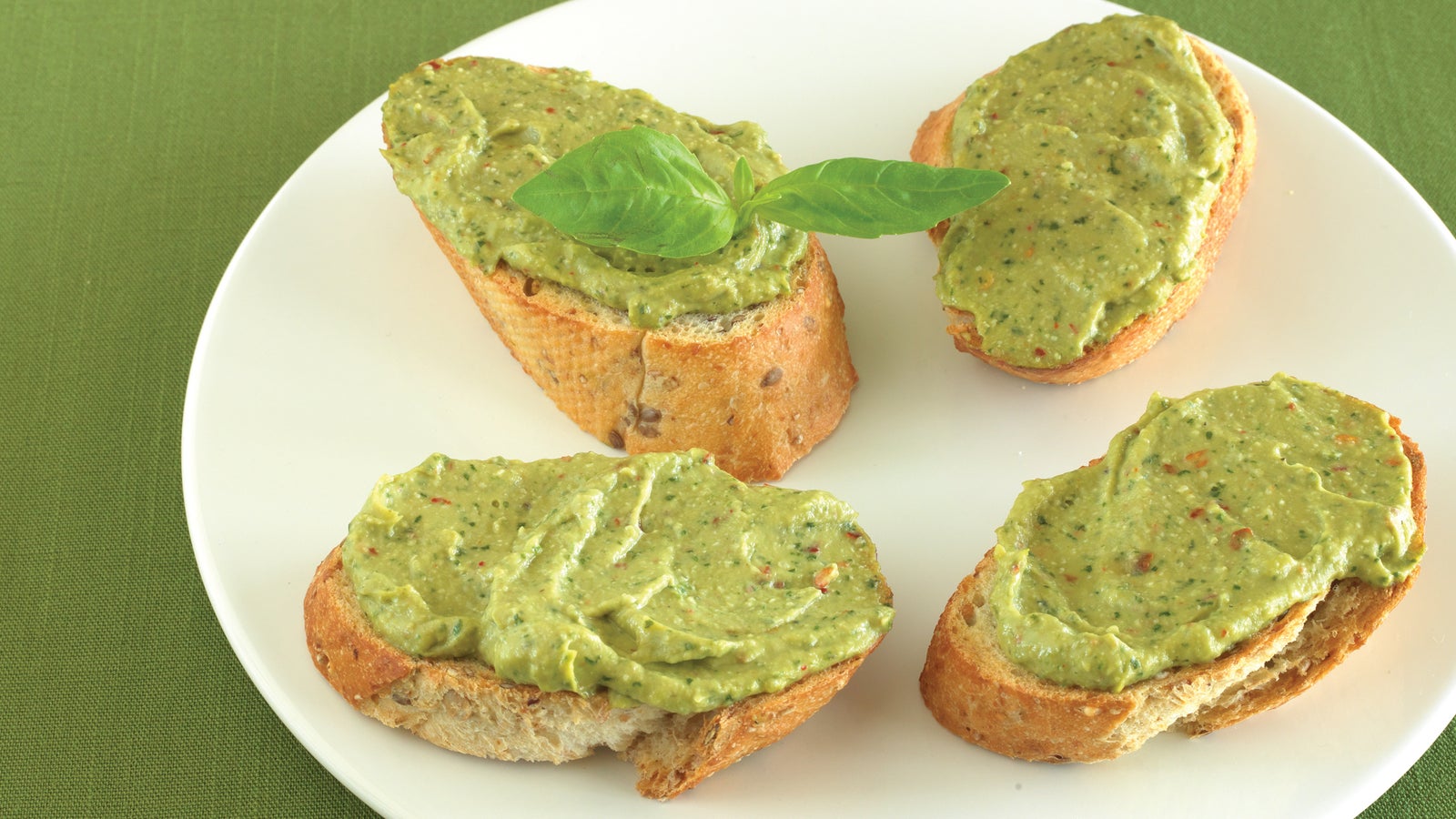
Zucchini noodles (or “zoodles”) are a great low-carb alternative to traditional pasta. Tossing them with a creamy avocado pesto sauce creates an indulgent, rich texture while keeping the dish light and full of healthy fats. This dish offers a decadent flavor experience without the heaviness of cream-based pasta sauces.
2. Grilled Salmon with Mango Salsa
Salmon is an excellent source of omega-3 fatty acids and protein, making it a heart-healthy choice. Grilled salmon topped with a fresh mango salsa brings a burst of sweetness and a tropical flair, making this meal feel indulgent yet nourishing.
3. Sweet Potato Brownies
Brownies don’t have to be a sugary indulgence. By using mashed sweet potatoes as the base, you can reduce sugar while still achieving a rich, fudgy texture. Adding dark chocolate chips, almond flour, and a dash of cinnamon brings depth and flavor to these healthier brownies.
4. Vegetable-Stuffed Avocados
Stuffed avocados can be a delicious and indulgent appetizer or meal. By filling them with a mixture of quinoa, black beans, tomatoes, and cilantro, you can create a hearty dish that’s full of healthy fats, protein, and fiber. The richness of the avocado pairs perfectly with the vibrant flavors of the vegetables.
5. Chia Seed Pudding with Berries and Almonds
Chia seed pudding is an excellent way to create a healthy yet indulgent dessert. The chia seeds provide fiber, omega-3s, and protein, while the almond milk adds creaminess. Top it with fresh berries and sliced almonds to add texture and antioxidants.
Balancing Mindful Indulgence
It’s important to remember that food isn’t just fuel—it’s also an experience. Eating something indulgent can bring joy, comfort, and pleasure, and that’s an important part of maintaining a healthy relationship with food. The goal is not to make every meal feel like a guilt-free treat but to find a balance between nourishing your body and satisfying your cravings.
As long as you focus on nutrient-dense ingredients, portion control, and mindful eating, it’s possible to indulge in foods that are both delicious and good for you. So next time you’re craving something indulgent, don’t feel guilty—just think creatively and transform that dish into something healthy and satisfying.
Conclusion
Food is more than just a means of sustenance; it’s a way to celebrate life’s pleasures, indulge in creativity, and nourish our bodies. The line between healthy and indulgent foods doesn’t have to be as rigid as we once thought. With thoughtful ingredient choices and creative cooking techniques, you can enjoy a dish that satisfies both your taste buds and your nutritional needs.
So, the next time you’re planning a meal, think about how you can make it both indulgent and nourishing. Whether it’s swapping butter for avocado or adding nutrient-dense vegetables to a rich sauce, there are endless ways to create dishes that feel luxurious while supporting your health.