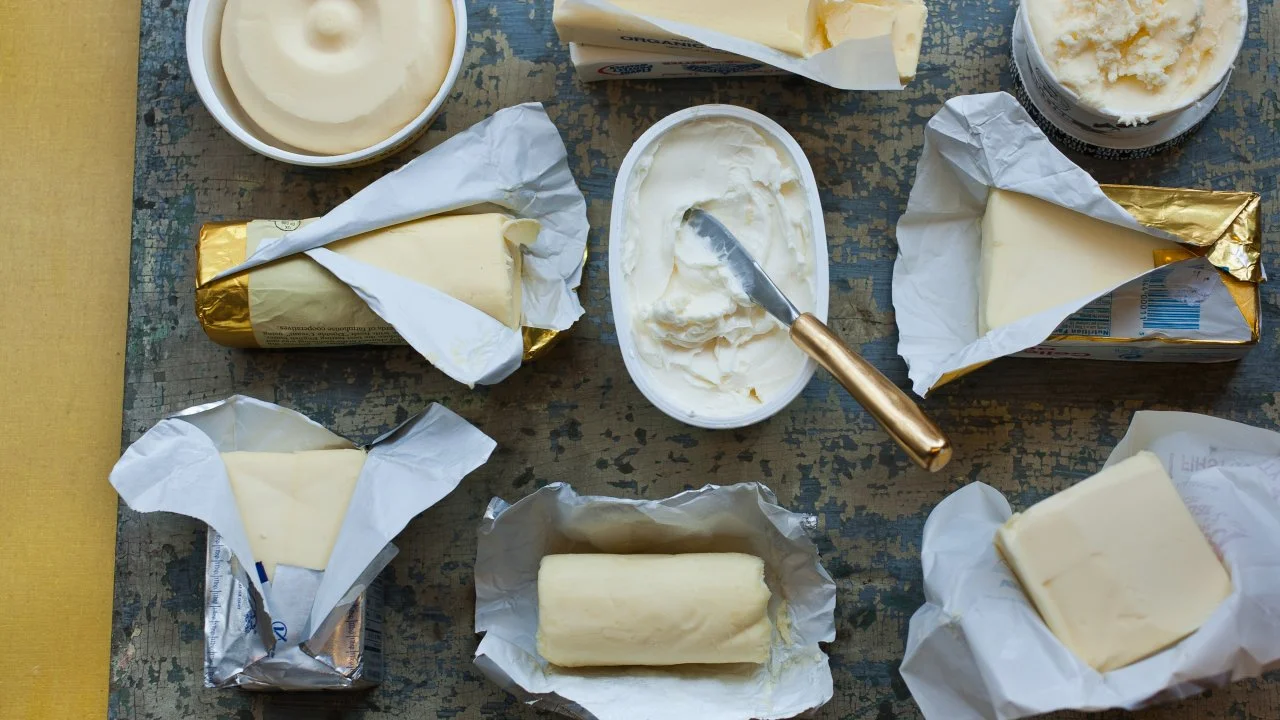




Butter—golden, creamy, and rich—has become the backbone of many baked goods. From cookies and cakes to croissants and pies, butter is the secret ingredient that lends both flavor and texture. But can you have too much of a good thing? Is there such a thing as too much butter in baking? In this article, we will explore the role of butter in baking, the fine balance between indulgence and excess, and how to find that sweet spot in your recipes.
The Magic of Butter in Baking
Butter is more than just a fat source in baking; it’s an essential ingredient that contributes to the texture, taste, and overall quality of a wide variety of baked goods. It brings richness, flavor, and moisture, while also affecting how the final product rises and holds together. In short, butter’s unique combination of milk solids and fat makes it an irreplaceable ingredient in many recipes.
1. Butter’s Role in Flavor
Flavor is perhaps the most obvious contribution butter makes in baking. When it’s used in its proper proportion, butter can impart a depth of richness that other fats, such as vegetable oil or margarine, cannot match. Butter is composed of both fat and water, which interact with the flour during baking to create a tender, flavorful result. The Maillard reaction, a chemical process responsible for browning, is also partially activated by butter, leading to a more complex flavor profile.
2. Butter’s Effect on Texture
Texture is another area where butter plays a crucial role. Its high-fat content allows for the development of a tender crumb in cakes and cookies, and its water content helps create steam during baking, which can make your pastries flaky. When used in excess, however, butter can cause the texture to become too greasy or overly soft, leading to undesirable results.
3. The Importance of Butter Temperature
The temperature of butter also has a huge impact on the final product. Cold butter creates a denser, more crumbly texture, ideal for pie crusts or biscuits, while softened butter is best for cakes and cookies, as it helps to trap air during mixing, leading to a light and airy texture.
Can You Overdo It on the Butter?
Now that we understand how essential butter is to baking, the question remains: can you use too much of it? The answer is, yes, it’s possible to overdo it. The amount of butter in a recipe is carefully measured to maintain the right balance between flavor, texture, and structural integrity.
1. Too Much Butter and the Risk of a Greasy Texture
When you increase the amount of butter in a recipe, the resulting texture can become overly greasy or soggy. In some cases, too much butter can cause the dough or batter to spread excessively while baking, leading to flat, greasy cookies or cakes that lack structure. This happens because the butter melts too quickly in the oven, overpowering the other ingredients that are supposed to provide structure.
2. Overly Rich Flavor

While butter adds flavor, too much of it can result in an overly rich or cloying taste that might overwhelm the other flavors in the recipe. In delicate baked goods like shortbread, the balance between butter and sugar is crucial; too much butter can cause the sweetness to become muted or, worse, lead to a greasy aftertaste.
3. Butter and Leavening Agents
In recipes that rely on leavening agents, such as baking soda or baking powder, an excess of butter can disrupt the balance needed for proper rising. Too much fat can inhibit the action of the leavening agents, resulting in dense or flat baked goods. Proper amounts of butter allow the leavening agents to work efficiently, creating a desirable rise and crumb structure.
4. Butter and the Need for Other Fats
While butter is fantastic for flavor and texture, it’s often necessary to balance it with other fats or ingredients to ensure a well-rounded result. For example, some recipes might call for a combination of butter and vegetable oil, which can provide moisture without the risk of making the texture too greasy. Alternatively, ingredients like yogurt or sour cream can provide the necessary fat content while introducing a tangy flavor that cuts through the richness of butter.
Finding the Right Balance
Finding the ideal amount of butter in a recipe depends on a variety of factors, including the type of baked good you’re making, the role of butter in the recipe, and the specific technique you’re using. Here are some tips to help you find the perfect balance:
1. Stick to the Recipe
If you’re following a tested recipe, it’s best to stick to the specified amount of butter. Professional bakers and recipe developers have spent countless hours refining their recipes to achieve the right flavor and texture, and making major adjustments (like adding more butter) can result in an unexpected outcome.
2. Adjust Butter Based on Desired Texture
If you’re experimenting with a recipe, consider the texture you’re aiming for. For example, if you want a flaky, buttery pastry, such as croissants, more butter might be needed. However, if you’re making a light cake, you may want to reduce the butter slightly to ensure it doesn’t become too dense.
3. Consider the Other Ingredients
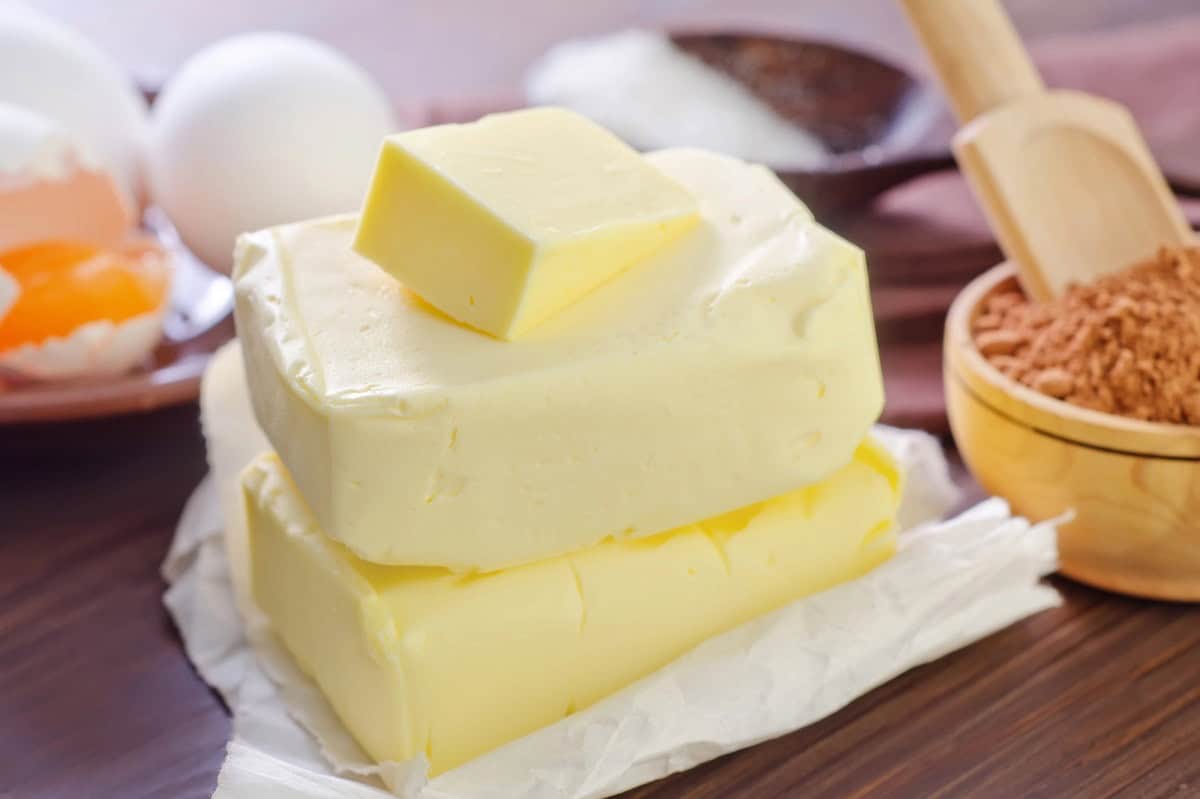
Remember that butter is just one part of the equation. The flour, sugar, eggs, and liquid ingredients also play significant roles in the final outcome of your baked goods. Adjusting butter without considering how it affects the overall balance of the ingredients can lead to disappointing results.
4. Use High-Quality Butter
If you’re concerned about using too much butter, focus on the quality of the butter itself. High-quality butter with a higher butterfat content will provide a more intense flavor and creaminess, allowing you to use slightly less without sacrificing richness. Consider choosing European-style butter, which typically has a butterfat content of around 82%, compared to the 80% found in standard American butter.
When Butter Isn’t Enough: Exploring Alternatives
If you want to reduce your butter consumption or experiment with different flavors, there are several alternatives that can be used in baking:
1. Oils
Oils like vegetable oil, canola oil, or olive oil can be used as substitutes for butter, though the texture and flavor will differ. Oils generally produce a moister, denser texture than butter, but they can still yield good results in cakes, muffins, and brownies.
2. Applesauce
For a healthier alternative, unsweetened applesauce can replace some or all of the butter in recipes. It adds moisture and sweetness while cutting back on fat, though it won’t provide the same rich flavor as butter. Applesauce is most often used in quick breads, cakes, and cookies.
3. Greek Yogurt
Greek yogurt adds moisture and richness to baked goods, but it also introduces protein and a slight tang. It can replace butter in certain recipes to reduce fat while keeping the texture tender. It’s especially useful in cakes, muffins, and pancakes.
4. Nut Butters
Nut butters like almond or peanut butter can be used to replace part of the butter in recipes. These alternatives add a unique flavor and richness, making them ideal for cookies or brownies. However, they will alter the overall flavor of the baked goods, so it’s important to choose a nut butter that complements your recipe.
Conclusion
In the world of baking, butter is an irreplaceable ingredient, but as with any good thing, too much of it can cause problems. The right balance of butter is essential for achieving the desired flavor, texture, and structure in your baked goods. While it’s important not to overdo it, using the proper amount of butter, or balancing it with other ingredients, can help you create truly spectacular baked treats. So, the next time you reach for that stick of butter, remember: moderation is key.