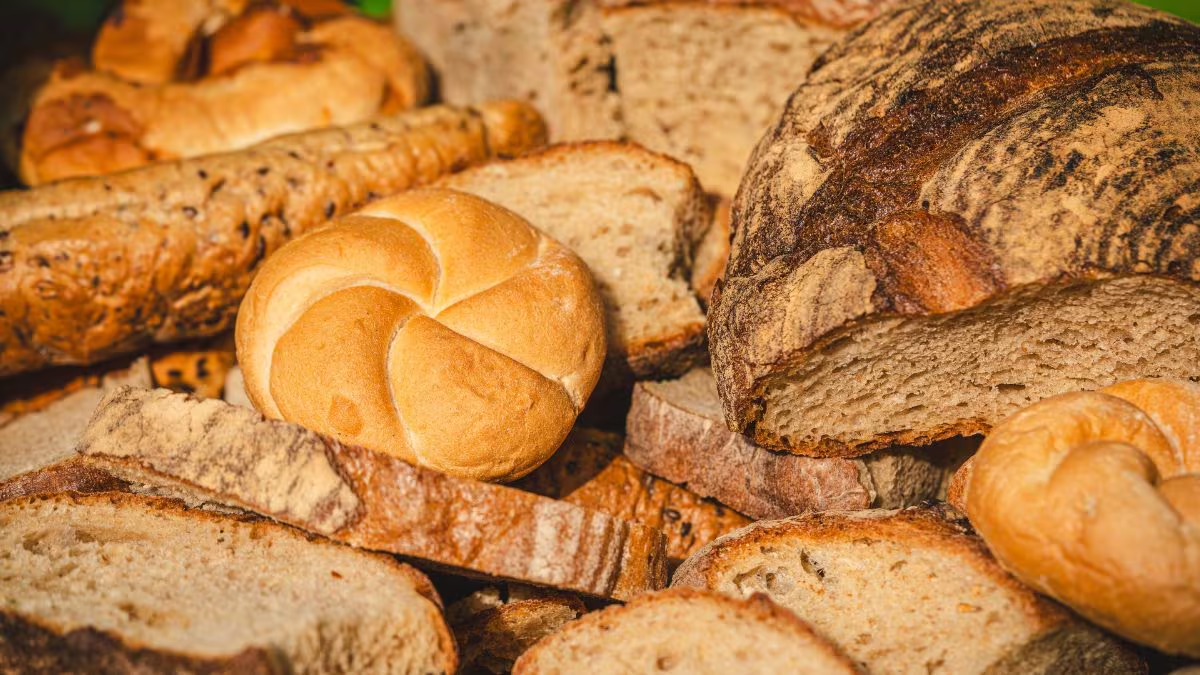




Anyone who has ever made toast knows that there’s something magical about it—crispy, warm, and comforting. But if you’ve ever left a slice overnight and returned to it the next day, you may have noticed something curious: it tastes better. This peculiar phenomenon has intrigued food scientists, chefs, and home cooks alike. Why does toast seem to reach its peak flavor the following day? To answer this, we must delve into the chemistry of bread, the mechanics of toasting, and even the subtle effects of time.
The Science of Toasting: A Quick Primer
To understand why toast tastes better the next day, it’s essential to know what happens when bread is toasted in the first place. Toasting is essentially the process of applying heat to bread, which causes water in the bread to evaporate and sugars and proteins to undergo chemical reactions. These reactions are part of what’s known as the Maillard reaction, a process that gives browned foods like toast their characteristic flavor and color.
When bread is exposed to heat, its starches begin to break down. The bread’s water content, which is typically around 35-40%, evaporates, creating pockets of air and giving the bread its characteristic crunch. But here’s where things get interesting: the staling process—while generally considered a negative effect on bread—can actually enhance the flavor and texture of toast when it’s left overnight.
The Role of Starch Retrogradation
One of the most important aspects of why toast improves after a night’s rest is starch retrogradation. As bread cools after being toasted, the starches that were gelatinized (or softened by the heat) begin to crystallize again. This process is called retrogradation.
During retrogradation, the amylose and amylopectin molecules in starch re-align into a more crystalline form. This makes the bread denser and less soft, but paradoxically, it also helps concentrate the flavor. The drying out of the bread over time means that when you bite into it, the remaining flavors are more pronounced, and the texture is more satisfying. Essentially, the bread becomes a more intense, concentrated version of itself.
Moisture Redistribution: Why the Crunch is Better
Bread, especially freshly toasted bread, tends to be somewhat dry on the outside but still retains some moisture inside. When you leave toast overnight, the moisture in the bread redistributes. The outer crispy layer becomes slightly less crunchy, but it also gains a more uniform moisture balance, making the crunch feel more balanced. This makes the toast easier to eat and less prone to crumbling into dry bits, resulting in a more satisfying bite.
This moisture redistribution also affects the flavor. When toast cools, some of the volatile compounds responsible for flavor are trapped inside the bread. The next day, these compounds have had time to stabilize, making the toast taste richer and more complex. The interplay between the crispy exterior and the slightly softened interior, combined with the enhanced flavor, gives you a toast that’s more enjoyable than when it was first made.
The Influence of Maillard Reaction on Flavor
Another key player in the flavor transformation that happens overnight is the Maillard reaction, which continues even after the toasting process. The Maillard reaction is the chemical process responsible for the browning of food when exposed to heat, and it plays a major role in the development of flavors in toast. It happens when amino acids in the bread’s proteins react with reducing sugars.
Interestingly, this reaction doesn’t stop once the bread is taken out of the toaster. In fact, it can continue at a slower rate after the bread cools down. When toast is left overnight, it allows the Maillard compounds to evolve and become more complex, resulting in a richer flavor profile the next day. This gradual enhancement of the flavor is why toast often tastes better after a 24-hour rest.
Time and the Fermentation Process
Bread starts its journey to the toaster as a product of fermentation. The fermentation process, which involves the yeast converting sugars into carbon dioxide and alcohol, imparts unique flavors to the bread. But these flavors don’t fully develop in the brief period of toasting. They continue to evolve as the bread sits, which is why many artisanal bakers let their bread “rest” for a day or more before slicing and toasting it.
The fermentation-related flavors, like a slight tang or earthiness, become more pronounced after sitting overnight. These flavors marry with the flavors developed during toasting, creating a more harmonious taste experience when the bread is eaten the next day.
Texture and Bite: The Role of Crystallization
As mentioned earlier, when bread cools after being toasted, starches begin to recrystallize. This process is part of staling but also contributes to the unique texture of day-old toast. The recrystallization of starches gives the toast a firmer, chewier texture, which some people find more pleasurable to eat than the brittle, fresh-toasted version.
This crystallization affects how the bread responds to biting and chewing. The result is a toast that feels more substantial, with a satisfying crunch that isn’t too hard or too soft. It’s the Goldilocks effect of toast: not too crispy, not too soft, but just right.
:max_bytes(150000):strip_icc()/ALR-recipe-16895-fluffy-french-toast-hero-01-ddmfs-4x3-7fd61e054f2c4f0f868b7ab0dd8767ae.jpg)
The Effect of Butter or Toppings
Many people enjoy toast with butter, jam, or a variety of spreads. The spread can influence how the toast tastes the next day. When butter is spread on warm toast, it melts into the bread and adds a rich, creamy texture. Over time, the butter has a chance to solidify and redistribute itself, further enhancing the toast’s texture and flavor. This extra layer of fat also helps bring out the underlying flavors of the bread, making it taste even more complex.
The same principle applies to other toppings like cheese, peanut butter, or avocado. When left overnight, the fat in these toppings is more evenly absorbed into the toast, enhancing both texture and flavor. This is one of the reasons why some people swear by cold toast with toppings—it has a depth of flavor that freshly toasted bread lacks.
Psychological Factors: The “Freshness” Effect
There’s also a psychological aspect to why toast seems better the next day. Freshness, in our modern food culture, is often equated with quality. We tend to associate “freshly made” with “better tasting.” However, when it comes to toast, this perception can be misleading. The processes that occur after toasting—like starch crystallization and flavor enhancement—actually make the bread taste better as time goes on. The idea that toast tastes better the next day might, in part, be due to the brain’s recognition that flavors have deepened and intensified overnight.
Toast at Different Stages: Fresh vs. Leftover
When you look at toast from different time perspectives, the difference becomes more apparent. Fresh toast is crispy and hot, but the texture can be a bit dry, and the flavor hasn’t fully matured. On the other hand, toast that has been left overnight undergoes changes in flavor and texture that result in a more satisfying eating experience. It’s no wonder that leftovers can often taste better than the original!
The Appeal of Toast for Breakfast or Anytime
Toast, by its very nature, is comfort food. It’s warm, easy to make, and can be paired with just about anything. When we toast bread, we are not only creating a food with texture and flavor but also a sensory experience. The combination of crunchy edges, slightly chewy interior, and deepened flavors makes it an irresistible choice. As time passes, the toast becomes more refined, revealing more complex notes that weren’t there initially.
Conclusion: A Case for Leftover Toast
So why does toast taste better the next day? The answer lies in a combination of physical, chemical, and psychological factors. Starch retrogradation, Maillard reaction, moisture redistribution, and the continued development of flavors after the bread cools all play a part in transforming toast into something better with age. The next time you make toast, consider leaving it overnight and rediscover the delightful, more complex version that awaits you.
Toast may just be one of the few foods that actually gets better with time. Now, isn’t that a toast-worthy discovery?