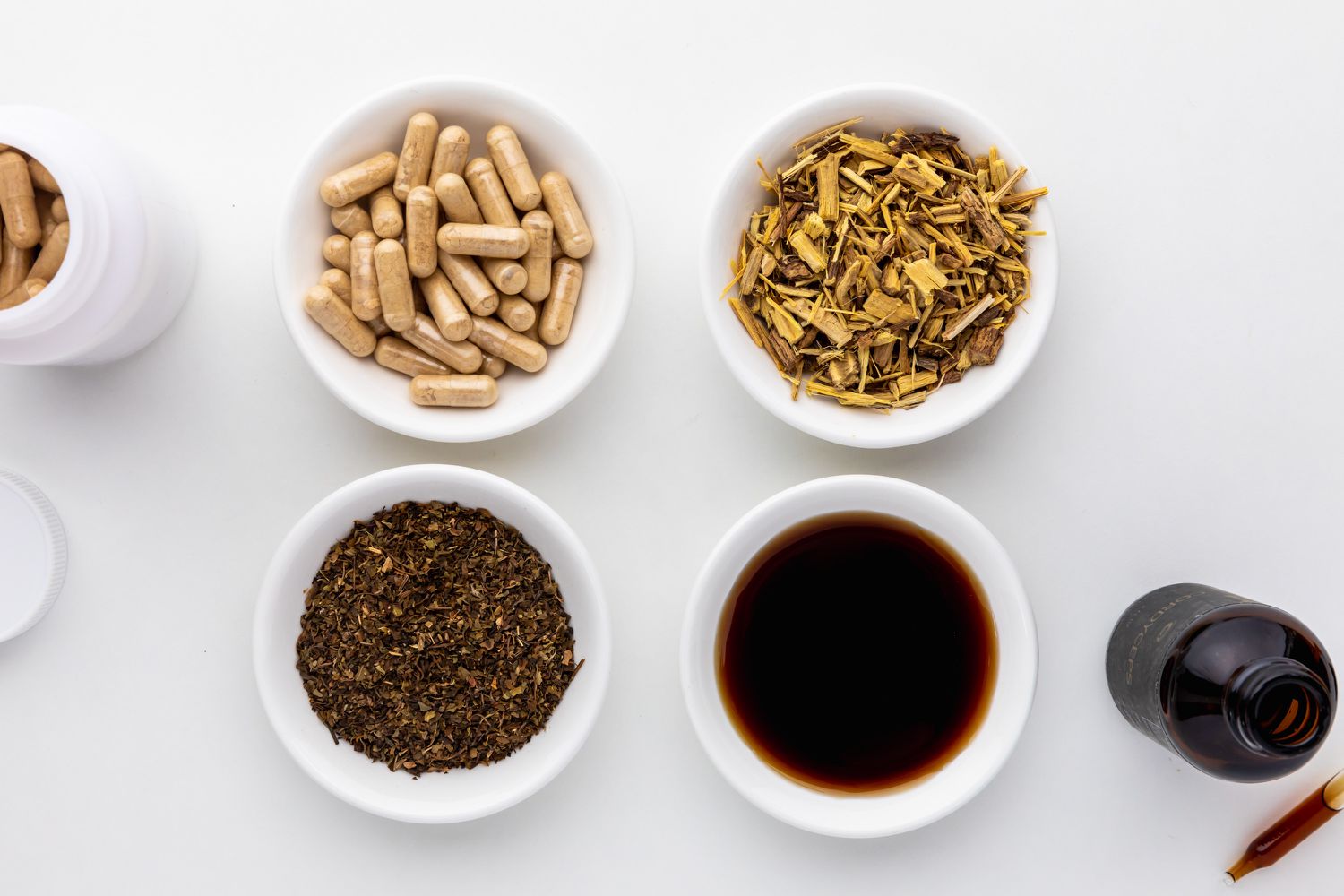




In today’s fast-paced world, stress has become almost a daily companion for many. Whether it’s work pressures, school deadlines, or the constant buzz of social media, our minds and bodies often find themselves on high alert. As a result, more people are searching for effective solutions to combat stress, and one trend that’s been gaining momentum in the wellness industry is the use of adaptogens.
But what exactly are adaptogens, and can they really provide the stress relief many are hoping for? In this article, we’ll dive deep into the science behind adaptogens, their role in the body’s stress response, and whether they’re worth adding to your wellness routine.
What Are Adaptogens?
Adaptogens are natural substances, typically derived from plants or fungi, that are believed to help the body adapt to stress and promote balance. These compounds are thought to support the body’s ability to cope with both physical and mental stressors by regulating the body’s stress response mechanisms. The term “adaptogen” was first coined by Russian scientist Dr. Nikolai Lazarev in the 1940s, who observed that certain herbs could increase resistance to stress and promote overall well-being without causing harm or altering normal bodily functions.
Adaptogens are not a quick-fix solution. Rather, they are considered long-term allies in helping the body manage and adapt to ongoing stress. They don’t necessarily eliminate stress but help modulate the body’s reaction to it, enabling us to handle it more efficiently.
How Do Adaptogens Work?
To understand how adaptogens work, it’s important to know a bit about the body’s stress response. When the body encounters stress, whether physical, emotional, or environmental, it triggers the release of stress hormones like cortisol. This is part of the “fight or flight” response, a survival mechanism that prepares the body to deal with immediate threats.
However, chronic stress can lead to prolonged high levels of cortisol, which can have negative effects on the body, such as weight gain, poor sleep, anxiety, and a weakened immune system. This is where adaptogens come in. They help regulate the production of cortisol and other stress-related hormones, potentially preventing the body from going into overdrive.
Adaptogens are believed to work through the hypothalamic-pituitary-adrenal (HPA) axis—the system that controls the body’s stress response. By modulating this system, adaptogens can help prevent excessive stress reactions, promoting a sense of calm and balance.
Top Adaptogens for Stress Relief
:max_bytes(150000):strip_icc()/hlt-tier-3-primary-best-ashwagandha-supplements-ahuang-041-a9d02c18be09499ca446fdc3f9309e2a.jpeg)
- Ashwagandha
One of the most popular adaptogens, ashwagandha is an herb commonly used in Ayurvedic medicine. Studies suggest that ashwagandha can help reduce cortisol levels and may improve sleep, making it a favorite for those experiencing chronic stress. Ashwagandha is often recommended for its calming properties and its potential to improve overall vitality and endurance. - Rhodiola Rosea
Rhodiola, often referred to as “golden root,” is another well-known adaptogen that can help the body manage stress and fatigue. Research has shown that rhodiola can enhance mental performance, reduce stress-related fatigue, and even improve mood. It’s commonly used by those dealing with intense physical or mental workloads. - Holy Basil (Tulsi)
Holy basil, or tulsi, is considered a sacred plant in India. It’s believed to have potent anti-stress effects due to its ability to regulate cortisol production. Tulsi has also been studied for its potential to improve immunity, reduce anxiety, and promote overall mental clarity. It’s often used as a natural remedy for both physical and emotional stress. - Ginseng
Ginseng is a well-known adaptogen that has been used for centuries in traditional medicine. It’s believed to enhance both physical and mental performance. Ginseng has been studied for its potential to reduce fatigue, improve concentration, and bolster the body’s resilience to stress. It’s often used by people who are under high-pressure situations and need sustained energy throughout the day. - Schisandra Berry
Schisandra, also called the “five-flavor fruit,” is an adaptogen that has been used in traditional Chinese medicine for thousands of years. It’s known for its ability to enhance endurance, protect the liver, and reduce stress. Some studies suggest that schisandra can increase the body’s ability to cope with stress, improve cognitive function, and even enhance mood. - Maca Root
Maca, a root vegetable native to the Andes, is known for its energizing and stress-relieving effects. It is particularly popular among those who need a natural energy boost without the jitters that come from caffeine. Maca is also thought to support hormonal balance, making it useful for people experiencing stress-related hormonal imbalances, like those linked to mood swings or irregular sleep patterns.

Benefits of Adaptogens Beyond Stress Relief
While adaptogens are most commonly associated with stress relief, they offer a variety of other health benefits that make them an appealing addition to a balanced wellness routine. Some of the benefits you might experience include:
- Improved Mental Clarity: Many adaptogens, including Rhodiola and Ginseng, are known to enhance cognitive function, helping to improve focus and memory.
- Better Sleep: Adaptogens like Ashwagandha and Holy Basil have calming effects, which may help improve sleep quality and reduce insomnia caused by stress.
- Enhanced Energy Levels: Adaptogens like Maca and Ginseng are known to boost energy without the crash that comes with caffeine.
- Hormonal Balance: Some adaptogens help regulate hormonal levels, supporting a healthy reproductive system and reducing symptoms related to hormonal imbalance, such as mood swings or fatigue.
- Immune System Support: Many adaptogens have immune-boosting properties, which can help the body withstand stressors that may weaken the immune system.
Are Adaptogens Safe to Use?
Adaptogens are generally considered safe for most people when used appropriately, but it’s important to remember that not all adaptogens are created equal. Like any supplement, the effectiveness and safety of adaptogens depend on factors like dosage, the individual’s health status, and the specific adaptogen used.
That said, most adaptogens are well-tolerated with minimal side effects. However, some people may experience mild side effects like digestive upset, headaches, or changes in sleep patterns when starting a new adaptogen. It’s always a good idea to consult a healthcare professional before adding adaptogens to your routine, especially if you’re pregnant, nursing, or have any existing health conditions.
Can Adaptogens Replace Traditional Stress Relief Methods?
While adaptogens may be helpful for managing stress, they should not be seen as a replacement for other important stress relief practices. Adaptogens work best when combined with other holistic stress management techniques, such as:
- Mindfulness and Meditation: Practices like deep breathing, meditation, and yoga can help reduce stress by calming the mind and promoting a state of relaxation.
- Physical Exercise: Regular physical activity is one of the most effective ways to reduce stress, as it boosts the production of endorphins and improves overall mood.
- Healthy Diet: A balanced diet rich in vitamins, minerals, and antioxidants can help support the body’s natural stress response and improve overall well-being.
- Adequate Sleep: Proper sleep is essential for stress management. Aim for 7–9 hours of sleep each night to help your body recover and rejuvenate.
Adaptogens can certainly be a powerful tool in your stress relief toolbox, but they work best when used alongside these other practices. In other words, they should be seen as a complementary part of a larger wellness strategy, not a standalone solution.
Conclusion: Can Adaptogens Be the Answer to Stress Relief?
The growing interest in adaptogens reflects a larger cultural shift toward natural, holistic solutions for stress and wellness. While adaptogens may not be a magical cure-all, there’s compelling evidence to suggest they can help the body manage stress more effectively, reduce fatigue, and promote overall well-being.
Adaptogens are best suited for those who experience chronic, low-level stress rather than acute stress responses. For those looking for a natural way to support their body’s stress management systems, adaptogens like Ashwagandha, Rhodiola, and Holy Basil could be valuable additions to a balanced lifestyle.
However, it’s important to remember that adaptogens are just one piece of the puzzle. A well-rounded approach that includes healthy habits like exercise, mindfulness, and sleep is essential for truly managing stress in the long run.