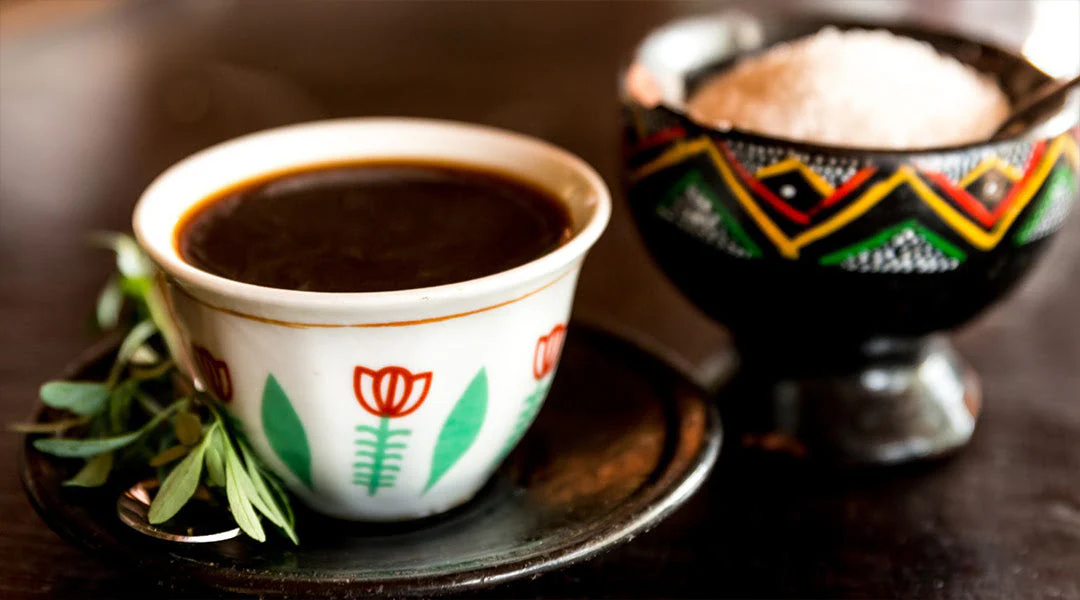




Coffee is more than just a drink; it’s an experience that can elevate the senses and set the tone for an entire day. Yet, for many, the complexity of what makes a cup of coffee taste the way it does is often overlooked. While most people know that the way coffee is brewed affects its flavor, fewer are aware that the very origin of the beans plays a huge role in shaping that taste.
The origin of your coffee beans is akin to the soil in which grapes for wine are grown. Much like a wine’s terroir, the environment in which coffee beans are cultivated—along with the methods used to process and prepare them—greatly influences the final cup. Whether it’s the altitude of the farm, the specific region, or the way beans are harvested, every factor contributes to the flavor profile that makes your cup of coffee unique.
In this article, we will dive into the intricacies of how coffee’s origin influences its flavor, and why this knowledge is essential for coffee lovers. So grab your cup of joe and let’s explore the fascinating world of coffee bean origins!
1. The Coffee Bean Journey: From Seed to Sip
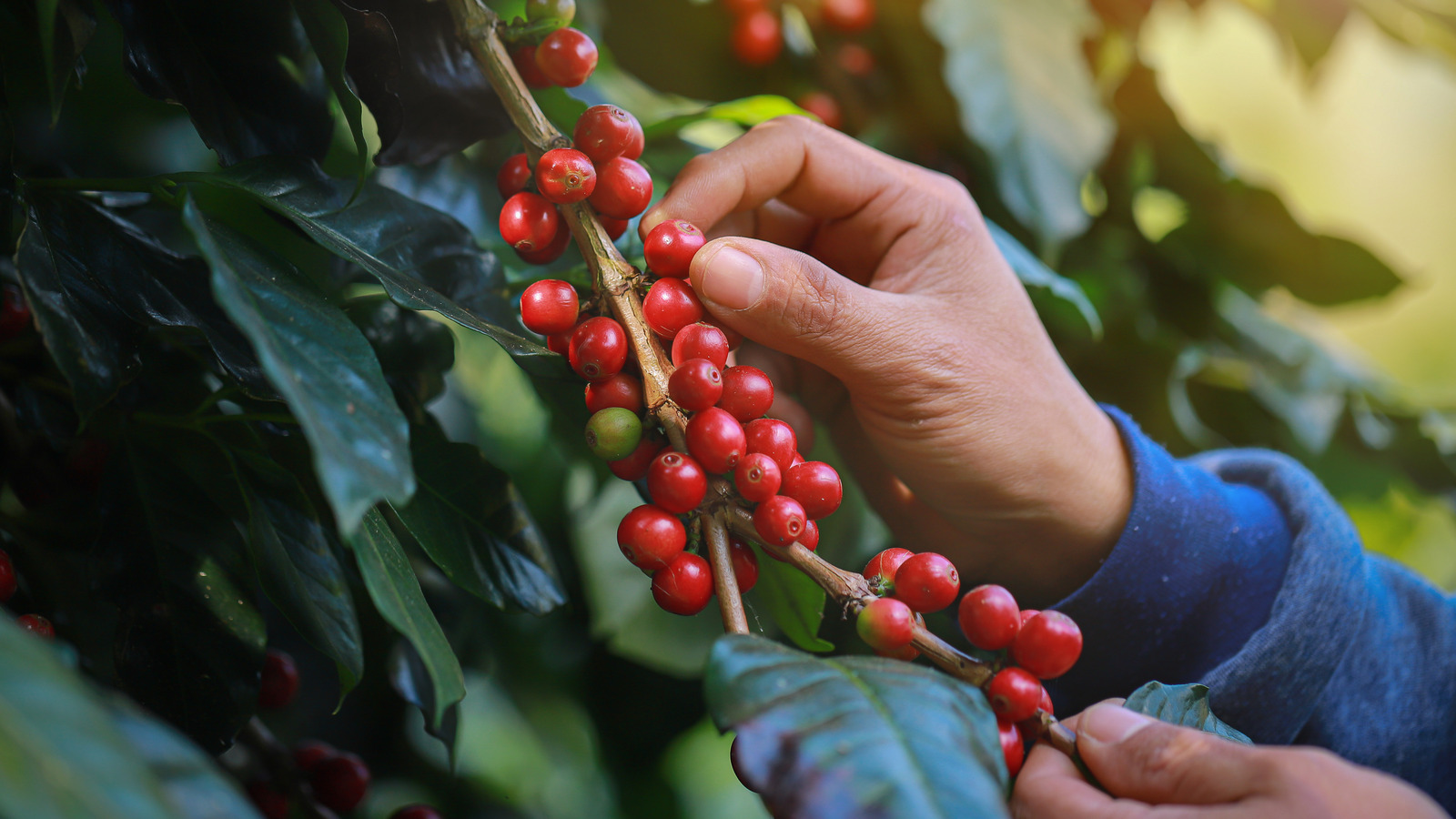
Before delving into how the origin of coffee beans affects flavor, it’s essential to understand how coffee reaches your cup. Coffee beans come from the coffee plant, specifically from the seeds inside the coffee cherries. These beans undergo a multi-step process that includes cultivation, harvesting, processing, and roasting, all of which contribute to their final flavor.
2. Terroir: The Soil, Climate, and Altitude of Coffee Farms
The term terroir, borrowed from the wine world, refers to the combination of environmental factors that influence a crop’s characteristics. Coffee is no different. The conditions under which coffee is grown—soil quality, climate, altitude, and rainfall—all have a profound impact on the flavor of the beans.
2.1 Altitude and Flavor
Altitude is one of the most significant factors affecting coffee flavor. Coffee grown at higher altitudes tends to have more complex and refined flavor profiles. The cool temperatures at higher elevations slow down the maturation process, allowing the beans to develop more intricate flavors. This is why many high-altitude coffees, such as those from Ethiopia and Colombia, are prized for their bright acidity, floral notes, and fruity undertones.
On the other hand, beans grown at lower altitudes often produce coffees that are less acidic, with fuller, more robust flavors. These coffees may have a heavier body with earthy or chocolatey notes, and are often associated with regions like Brazil and Costa Rica.
2.2 Climate and Rainfall
The climate and amount of rainfall a region receives also play a role in determining the final taste. Coffee plants require a balance of rainfall, sunlight, and cooler temperatures. Too much rain or heat can overwhelm the plant, leading to a suboptimal flavor profile.
For instance, the tropical climate of Central America provides just the right conditions for producing beans that exhibit a bright and lively flavor, often with citrus or berry notes. Conversely, coffee from regions with less rainfall, like parts of Indonesia, often has earthy, spicy flavors due to the drier conditions.
2.3 Soil Quality
The soil composition of a coffee-growing region can significantly affect the acidity and mineral content of the beans. Volcanic soil, rich in minerals, is often a hallmark of high-quality coffee-growing regions, as seen in places like Hawaii and Nicaragua. The rich, fertile soil results in beans that have enhanced flavors and vibrant acidity.
3. Coffee Growing Regions: The Flavor Differences by Country
Different coffee-growing countries are known for producing beans with distinct flavors. Below, we’ll explore some of the world’s top coffee-producing regions and the flavors associated with their beans.
3.1 Ethiopia: The Birthplace of Coffee
Ethiopia is widely considered the birthplace of coffee, and its beans are among the most beloved in the world. Coffee from Ethiopia is often known for its bright acidity, floral aromas, and fruity flavors, ranging from berries to citrus. Ethiopian coffee is often grown at higher altitudes, which explains its vibrant and complex profile.
There are two primary types of Ethiopian coffee: washed and natural. Washed coffees tend to have a cleaner, brighter flavor, while natural (or dry) processed coffees have a heavier body and more pronounced fruity flavors. Many Ethiopian coffees, particularly from regions like Sidamo and Yirgacheffe, are prized for their jasmine-like aromas and notes of blueberry, lemon, and peach.
3.2 Colombia: Sweet and Balanced
Colombia is another country with a strong reputation for producing high-quality coffee beans. Coffee from this country is known for its balanced flavor, often combining a medium body with a bright acidity and sweetness. Colombian coffees often feature flavors like caramel, citrus, and chocolate.
The unique geography of Colombia, with its mountainous terrain and variety of microclimates, allows for a wide range of flavor profiles. Coffee from regions like Antioquia or Huila is especially popular for its sweet, well-rounded flavor that pairs beautifully with a variety of brewing methods.
3.3 Brazil: Nutty and Chocolatey
Brazil is the largest coffee producer in the world, and its beans are often characterized by a low acidity and a full-bodied, smooth texture. Brazilian coffee is known for its nutty, chocolatey, and sometimes spicy flavors, making it a great choice for espresso-based drinks like lattes and cappuccinos.
Much of Brazil’s coffee is grown at lower altitudes, which explains its richer, more earthy taste. Regions like Minas Gerais and Sao Paulo produce coffees with a nutty profile, often accompanied by flavors of dark chocolate and caramel.
3.4 Kenya: Bold and Complex

Kenyan coffee is renowned for its bold and intense flavors. Coffee from Kenya typically has a bright acidity, with strong berry, citrus, and tropical fruit notes. The high altitudes and cool temperatures of regions like Nyeri and Kirinyaga allow the beans to develop a high level of complexity and clarity.
Kenyan coffee is also famous for its wine-like acidity, which can range from black currant to grapefruit, making it a favorite among those who enjoy a more vibrant and dynamic cup.
3.5 Sumatra: Earthy and Rich
Coffee from Indonesia, particularly Sumatra, is known for its deep, earthy flavors. These beans are often low in acidity and feature bold, spicy, and herbal notes, with some even exhibiting a peaty or woodsy quality. Sumatra’s coffee is typically processed using the wet-hulling method, which imparts a distinct, heavy body and earthy character to the beans.
Sumatran coffees often have flavors of earth, tobacco, and dark chocolate, with a rich, velvety mouthfeel that makes them perfect for espresso and dark roasts.
4. The Processing Method: How Coffee Beans are Prepared
After harvesting, coffee beans go through various processing methods that can further influence the flavor. The most common methods include washed, natural, and honey processing. Each method has its own effect on the final cup.
4.1 Washed Process
In the washed process, the outer fruit is removed from the coffee bean before it is dried. This method tends to produce a cleaner, more acidic flavor with pronounced floral and citrus notes. Washed coffees are often bright and crisp, with a clear flavor profile that highlights the unique characteristics of the origin.
4.2 Natural Process
In the natural process, the coffee cherries are dried with the fruit still attached to the bean. This results in a much fruitier and heavier flavor, with the coffee taking on sweet, jammy, and berry-like qualities. Natural coffees are often more complex and can sometimes have a wine-like quality to them.
4.3 Honey Process
The honey process is a hybrid between the washed and natural methods. It involves removing some but not all of the fruit from the coffee beans before they are dried. This results in a coffee that has a slightly fruity sweetness combined with a cleaner finish. Honey-processed coffees are often well-balanced, with a light body and mild acidity.
5. The Impact of Roasting on Flavor
While the origin of your coffee beans plays a crucial role in determining the flavor, the way those beans are roasted also affects the final taste. A light roast will highlight the natural flavors of the bean, preserving the acidity and fruitiness, while a dark roast will bring out roasty, bitter, and chocolatey flavors, often masking some of the origin’s nuances.
Roasting is an art, and every roaster brings their own flair to the process. However, the best coffee always starts with high-quality, well-sourced beans. So, no matter how dark or light you like your coffee, remember that the origin of those beans will always play a vital role in the cup you enjoy.
6. Conclusion: Why Bean Origin Matters
In the world of coffee, no two cups are the same. The origin of your beans, whether it’s the high-altitude farms of Ethiopia or the lowland fields of Brazil, contributes to a unique flavor experience. By understanding the influence of origin, you can deepen your appreciation for the complexities and nuances of coffee.
So, the next time you sip your coffee, remember: it’s not just the brewing method or the roast that makes it taste the way it does—it’s the rich history and terroir of the beans themselves. And with each cup, you’re tasting a little piece of the world.