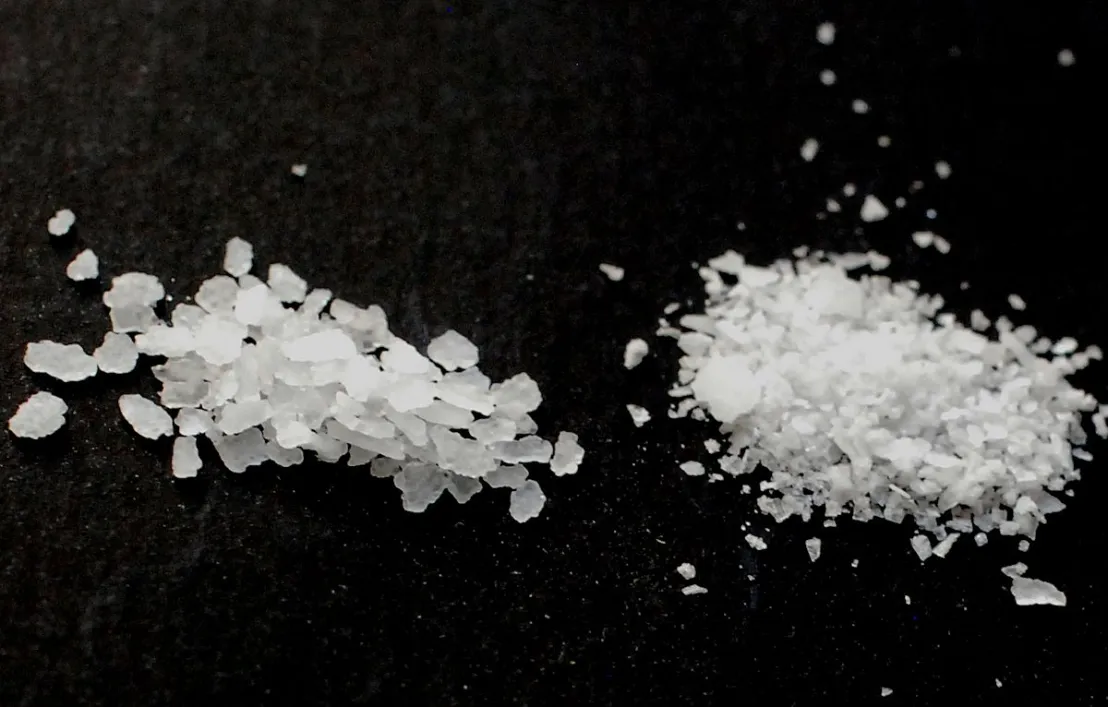




Salt: it’s the ingredient that can make or break a dish. While it might seem like a simple pantry staple, the variety of salts available today offers much more than just sodium chloride. From flaky sea salts to finely ground table salts, each type of salt can affect the flavor, texture, and overall experience of your cooking in different ways. But how do different types of salt truly influence your food? Let’s take a closer look at the unique characteristics of various salts, their best uses in cooking, and how you can elevate your dishes by choosing the right kind for the job.
1. Table Salt: The Classic and Convenient
Table salt, the most common and ubiquitous of salts, is often the go-to choice for everyday cooking. Its fine texture and white, uniform crystals make it easy to measure and dissolve quickly in food. However, while it’s convenient and reliable, it’s also one of the most refined salts available. It’s stripped of most of its minerals, and additives like iodine and anti-caking agents are often added to ensure it doesn’t clump together.
Impact on Cooking:
Table salt is highly concentrated, meaning it packs a punch when added to dishes. Its fine grains dissolve easily in liquids, making it ideal for seasoning during cooking or for use in baking, where precision is important. However, because it’s so fine, it can easily overwhelm dishes if you’re not careful with your measurements.
Best Uses:
- Baking: Table salt’s small, uniform grains make it a reliable choice for baking recipes that require precise measurements, such as bread and cake.
- Seasoning: It’s great for seasoning foods like pasta, soups, and sauces where even distribution of salt is necessary.
- Pickling: Due to its ability to dissolve quickly, table salt is commonly used in pickling and preserving vegetables.
2. Kosher Salt: The Chef’s Favorite
Kosher salt gets its name from its historical use in the koshering process of meat, where it was used to draw blood out of the meat’s surface. It is characterized by its large, irregularly shaped crystals, which give it a light, flaky texture. It’s also much less dense than table salt, so a teaspoon of kosher salt contains fewer sodium ions than a teaspoon of table salt.
Impact on Cooking:
The coarse crystals of kosher salt allow for a more controlled application when seasoning food. Its texture makes it easier to pinch and sprinkle, and its large grains dissolve more slowly than table salt, making it excellent for seasoning meat and vegetables just before cooking. Kosher salt has a more subtle taste compared to table salt, which means it won’t overpower dishes as quickly.
Best Uses:
- Seasoning Meat: Kosher salt’s coarse texture makes it ideal for seasoning meat, particularly when you need to rub it on a steak, roast, or chicken before cooking.
- Roasting Vegetables: Its ability to stay on the surface of foods means it’s perfect for roasting vegetables, where you want an even distribution of salt.
- Brining: Kosher salt is commonly used in brines because it dissolves evenly and is easy to handle in large quantities.
3. Sea Salt: From Ocean to Table
Sea salt is harvested through the evaporation of seawater and comes in a wide variety of textures and flavors, depending on its origin. Its crystals are typically larger and more irregular than those of table salt, and it retains trace minerals like magnesium, calcium, and potassium, which can subtly influence its flavor profile.
Impact on Cooking:
Sea salt has a clean, mineral-rich flavor that can enhance the natural tastes of ingredients. Its crunchy texture adds a delightful burst of flavor when sprinkled on finished dishes. Because of its coarse grains, sea salt can be less concentrated than table salt, so it’s easy to use for finishing dishes without over-salting.
Best Uses:
- Finishing Dishes: Sea salt is often used as a finishing salt to sprinkle over dishes like salads, roasted meats, or fresh-baked bread. Its crunchy texture adds a satisfying contrast.
- Baking: Some sea salts, especially those with larger crystals, can add an interesting texture to cookies, pastries, and breads when sprinkled on top before baking.
- Seasoning: Use sea salt for seasoning sauces, stews, and dressings to provide a clean, mineral-forward flavor.
4. Himalayan Pink Salt: The Exotic Beauty
Himalayan pink salt is one of the most visually striking salts, with its rosy pink hue, which comes from the trace minerals and iron oxide it contains. Mined from ancient salt deposits in the Himalayan mountains, this salt has gained a reputation for being a “healthier” option due to its mineral content, though the health benefits are often overstated.
Impact on Cooking:
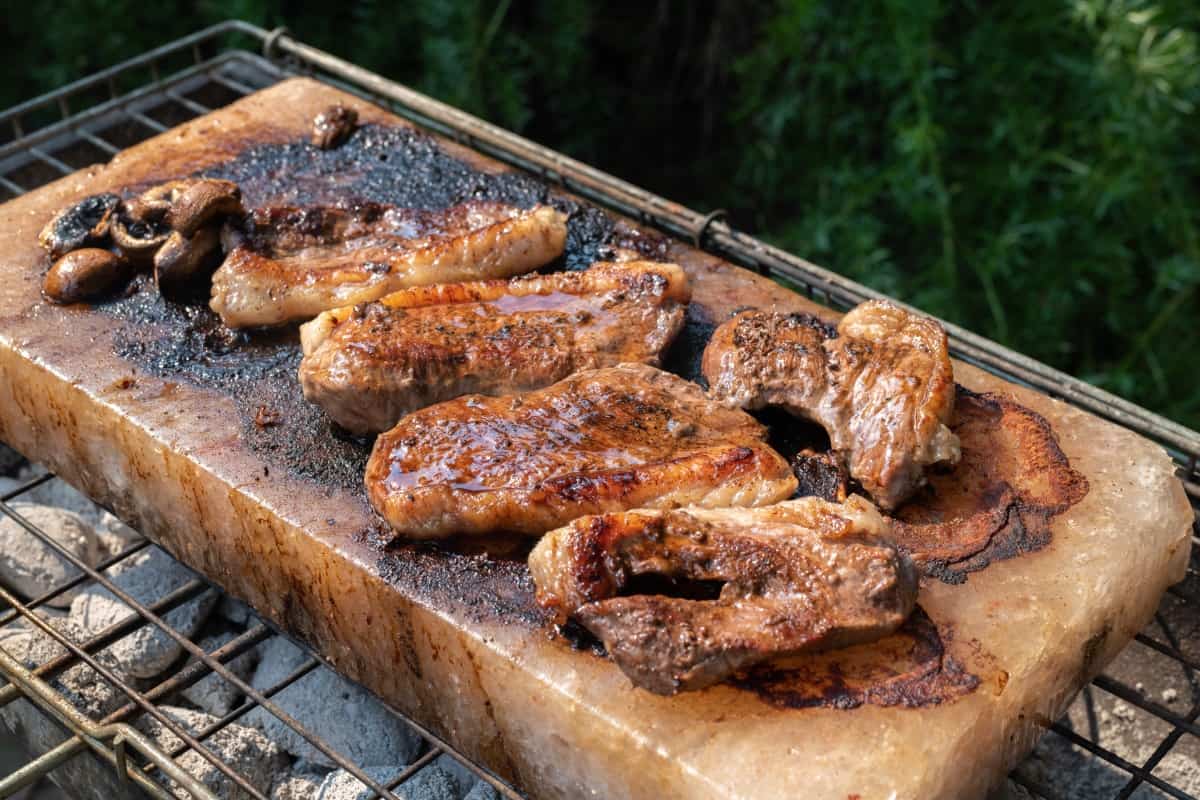
Himalayan salt has a slightly milder, less salty taste than table salt, and its large, irregular crystals can provide a more delicate texture in dishes. It’s often used for grilling and baking, particularly in the form of salt blocks, which can be heated or chilled to cook or serve food directly on.
Best Uses:
- Cooking on Salt Blocks: Himalayan salt blocks are great for grilling, searing, and even serving food. They impart a slight mineral flavor to the food as it cooks, making it an ideal choice for grilling meats, vegetables, or seafood.
- Seasoning: Himalayan salt is excellent for seasoning roasted vegetables, salads, and even cocktails (like a salted rim on a margarita).
- Salting Butter: The large crystals can be crushed and used to add a unique crunch when sprinkled on top of buttered bread or baked potatoes.
5. Fleur de Sel: The “Flower of Salt”
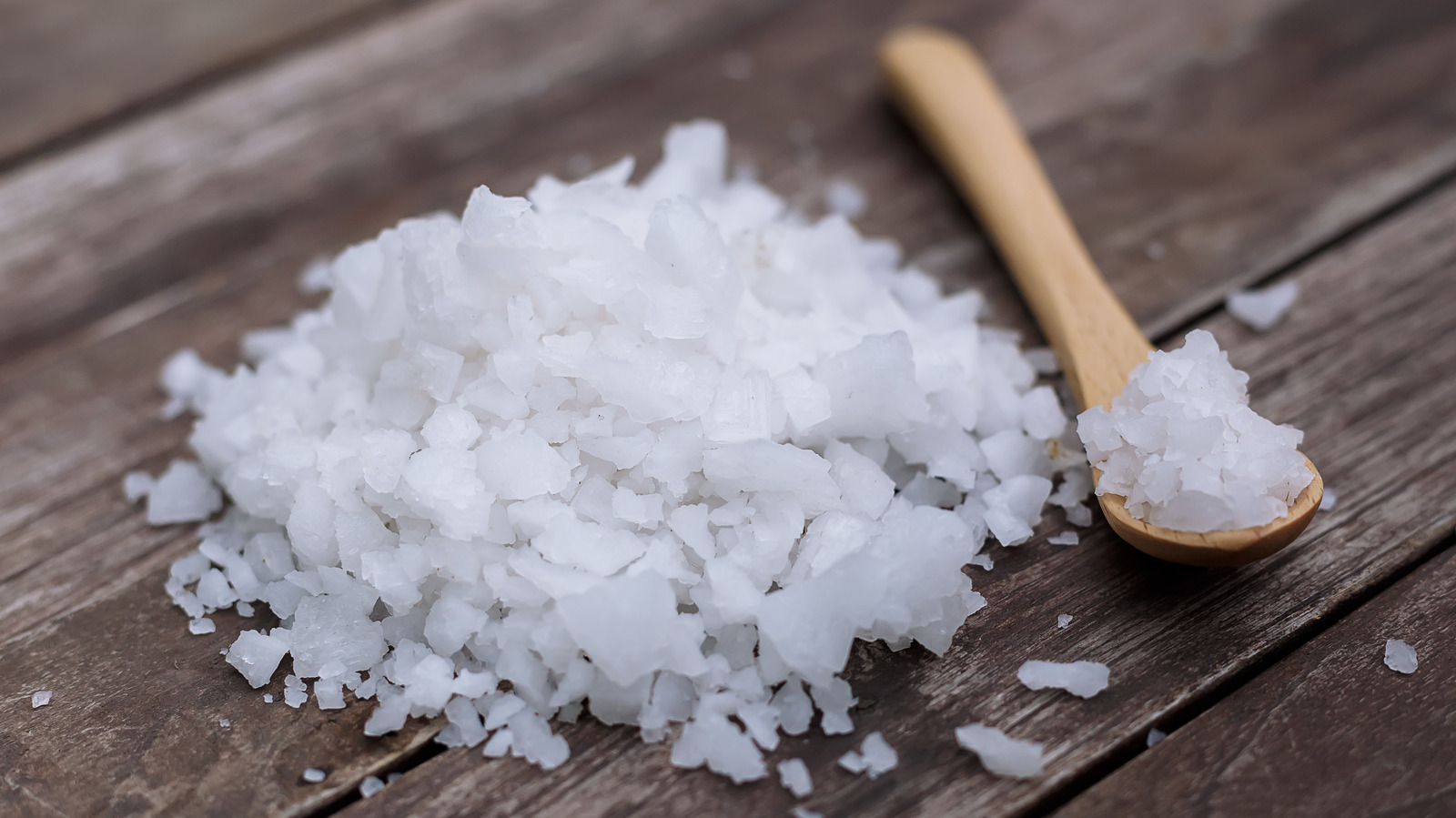
Fleur de Sel, French for “flower of salt,” is a delicate, hand-harvested sea salt that forms on the surface of seawater as it evaporates in salt pans. The crystals are fine, light, and typically moist, making it one of the most prized salts in the culinary world. It’s often collected using traditional methods, making it a labor-intensive and expensive ingredient.
Impact on Cooking:
Fleur de Sel is prized for its delicate texture and slightly briny flavor, with a subtle sweetness that enhances the flavor of food without being overpowering. It is considered a finishing salt, best used to garnish dishes right before serving.
Best Uses:
- Finishing Salt: Fleur de Sel is perfect for sprinkling on dishes just before serving, adding a burst of flavor and texture to desserts, chocolates, or savory dishes like seafood, steaks, and salads.
- Caramel and Confectionery: Its subtle flavor and light, moist texture make it ideal for pairing with sweet dishes, particularly caramel, chocolate, or shortbread cookies.
- Salads: A pinch of Fleur de Sel over a fresh salad or a drizzle of olive oil can elevate the overall experience.
6. Black Salt (Kala Namak): The Sulfurous Spice
Black salt, or Kala Namak, is a popular ingredient in South Asian cuisine. It’s a volcanic rock salt with a distinctive dark color and a potent, sulfurous aroma. The salt’s flavor is both savory and tangy, with a hint of earthiness that resembles the taste of hard-boiled eggs.
Impact on Cooking:
Kala Namak is used primarily for its bold, unique flavor rather than as a typical salt for seasoning. It’s often used in vegan cooking to impart a taste reminiscent of eggs, particularly in dishes like tofu scrambles and chickpea-based “egg” salad. It’s also used in chaats, a type of Indian street food, and other tangy snacks.
Best Uses:
- Vegan Dishes: Kala Namak’s egg-like flavor makes it a popular seasoning in vegan recipes that aim to replicate the taste of eggs.
- Chaats and Street Food: This salt is a key ingredient in Indian chaat, a dish composed of fried dough, yogurt, and chutney.
- Garnishing: Kala Namak can be sprinkled over salads, fruits, or cocktails to add a distinct, savory edge.
7. Smoked Salt: Infused with Flavor
Smoked salt is produced by smoking sea salt over wood chips or burning wood, imparting a smoky flavor to the salt crystals. Depending on the type of wood used (oak, hickory, or applewood, for example), the flavor can range from mild to intense.
Impact on Cooking:
Smoked salt adds a rich, smoky depth to dishes without needing to actually smoke the food itself. Its complex flavor profile works wonders on meats, vegetables, and even cocktails. The smoky aroma is especially potent, so a little goes a long way.
Best Uses:
- Grilled Meats: Smoked salt can be used as a finishing touch for grilled meats like steaks, burgers, or roasted chicken, enhancing the smoky flavor of the dish.
- Roasted Vegetables: Smoked salt adds a distinctive depth when sprinkled on roasted vegetables, giving them an outdoorsy, charred essence.
- Cocktails: Smoked salt can be used to rim the glass of smoky cocktails, such as a smoky margarita or a mezcal-based drink.
Conclusion: The Right Salt for the Right Job
From the subtle crunch of kosher salt to the distinct aroma of smoked salt, the variety of salts available can transform a dish in unexpected ways. Each type of salt has its unique qualities that affect the texture, flavor, and even the visual appeal of food. Understanding how different salts can enhance your cooking will allow you to experiment more freely and elevate your culinary creations.
So the next time you reach for the salt shaker, consider what type of salt will best complement the dish you’re preparing. Whether you’re finishing a dish with a sprinkle of flaky sea salt or seasoning a roast with kosher salt, the right choice of salt can take your cooking to the next level. Happy seasoning!